
Other Publications
Publications of our Resources
Indonesia-Pakistan Relations: A Geo-Economic Analysis
This paper analyzes the evolving geo-economic relations between Indonesia and Pakistan since 2020, highlighting trade growth, ASEAN-linked opportunities, defense cooperation, and Indo-Pacific dynamics. Moreover, it examines constraints from great-power rivalry, trade imbalances and domestic vulnerabilities shaping their strategic partnership.
Russia–Pakistan Relations in the Contemporary Context: Geo-Economic Opportunities and Strategic Constraints
This research examines Russia–Pakistan relations in the contemporary era, focusing on geo-economic opportunities and strategic constraints. It highlights trade, energy, defense, and regional connectivity, offering insights into evolving bilateral ties and their implications for regional stability and economic cooperation.
Iran-Pakistan Relations: Strategic Transition from Geopolitics to Geo-Economics
This study analyzes the evolving Pakistan-Iran relationship since 2008, highlighting how a shift from geopolitics to geo-economics—driven by trade, investment and energy cooperation—offers opportunities for regional stability despite enduring challenges such as sanctions, security concerns and political mistrust.

From Geopolitics to Geo-Economics: Saudi Arabia- Pakistan Relations
This study explores the post-2008 shift in Saudi Arabia–Pakistan relations from geopolitics to geo-economics, emphasizing how deepening economic interdependence—rooted in trade, investment, and labor ties—offers mutual growth potential, while also requiring strategic navigation of regional conflicts and economic challenges to sustain long-term cooperation.
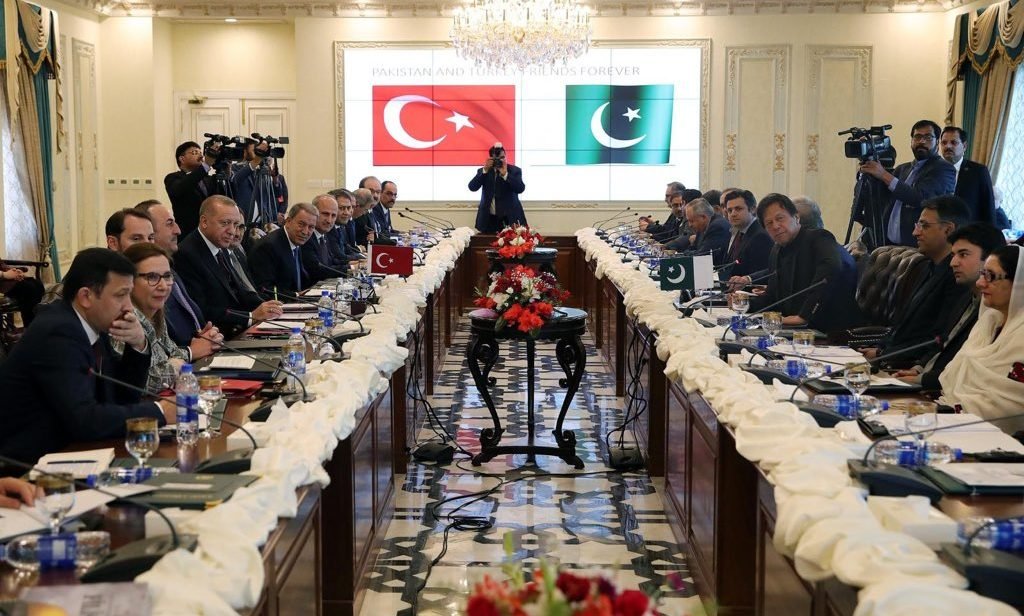
Turkey-Pakistan Relations and the Rise of Geo Economic Statecraft
This paper analyzes the evolving Pakistan-Turkey relationship through a neoliberal lens, showing how market liberalization and strategic cooperation—particularly in trade, investment, and key sectors like energy and digital infrastructure—offer significant opportunities for deeper economic integration, despite ongoing challenges such as political instability, protectionism and incomplete policy implementation.
The Impacts of the Intended Transition of Pakistan from Geo Politics to Geo Economics
This research examines Pakistan’s shift from geopolitics to geo-economics in foreign policy through a neoliberal lens, revealing how economic reforms and partnerships are reshaping strategic priorities, while also presenting challenges in balancing growth with security and political stability in a complex regional landscape.
The China Factor in Pakistan’s Geo-economic Tilt
This study explores Pakistan's evolving foreign policy, highlighting its gradual shift from a traditional security-driven approach to a geo-economic orientation, largely influenced by domestic challenges and its strategic partnership with China through CPEC, while still navigating persistent geostrategic tensions, especially with India.
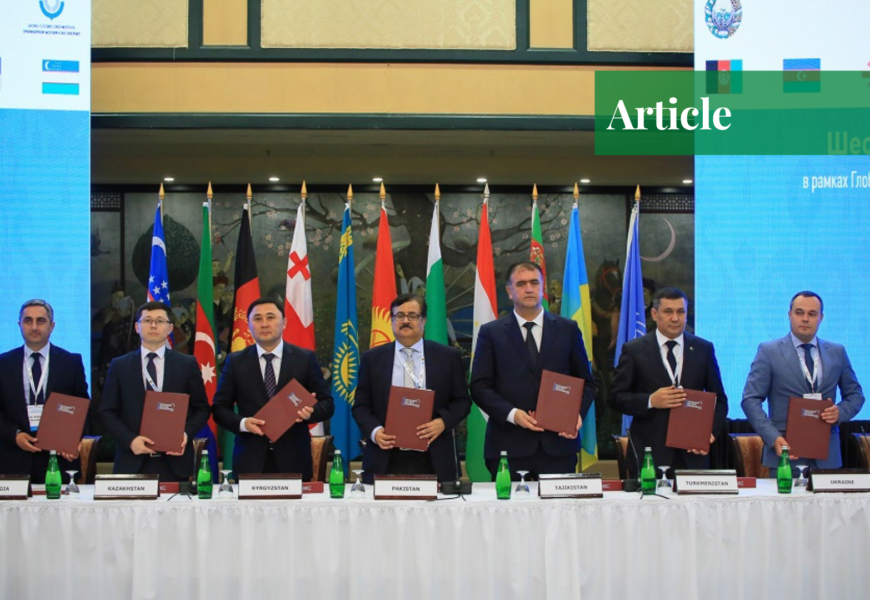
Central Asian Republics-Pakistan Relations in a Shifting World: A Neoliberal Perspective
This paper examines the evolving economic relationship between Pakistan and Central Asian States through a neoliberal lens, revealing that while market liberalization and regional agreements have enhanced cooperation, persistent challenges such as state intervention and political instability hinder full integration—yet significant opportunities remain in energy, tourism, agriculture, and digital infrastructure, especially through the effective implementation of existing initiatives like Vision Central Asia and BRI.
Mango Diplomacy of South Asian Countries
This article explores South Asia’s mango diplomacy, highlighting how countries like Bangladesh, India, and particularly Pakistan use mango gifting and exhibitions as a strategic tool of public diplomacy to boost exports and foster goodwill internationally.
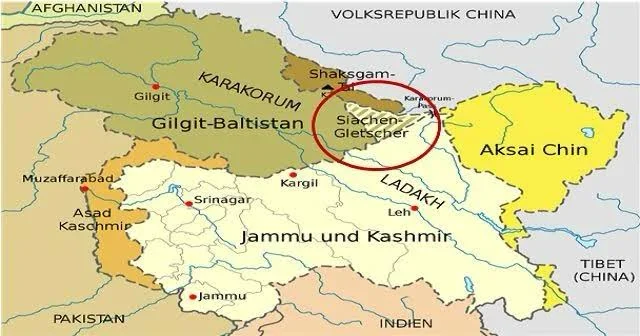
US Management of Border Disputes with Pakistan and India during 2001-201
This research analyzes U.S. foreign policy toward Pakistan and India from 2001 to 2015, focusing on border disputes like Sir Creek, Siachen, and Kashmir, and concludes that while the U.S. aimed to promote regional peace, its policy increasingly favored India due to economic interests, limiting its effectiveness as a mediator—especially on the Kashmir issue.

Afghanistan: The Western Withdrawal and its Implications for Security and Economy
This article explores the post-2014 withdrawal of foreign forces from Afghanistan, analyzing its complex regional security and economic implications through a rational choice model, and concludes that cooperative regional engagement is key to preventing further conflict and instability.
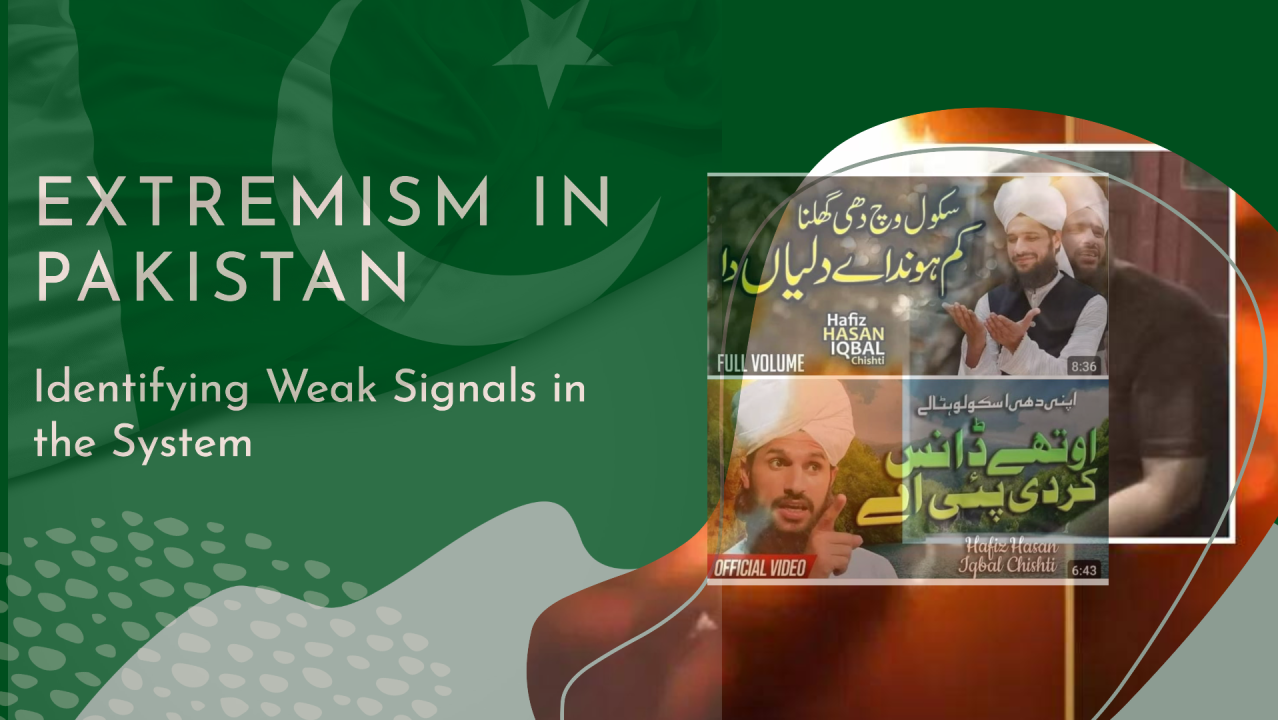
Preventing Violent Extremism in Pakistan and Enhancing National Security by Managing Sectarian Undercurrents
This paper examines sectarianism as a critical fault line affecting Pakistan’s national security, arguing that unregulated religious discourse and exploitation of sectarian divides—often as tools of fifth-generation warfare—pose grave risks; it emphasizes the urgent need for proactive measures against extremism and highlights the pivotal role of clergy from all sects in promoting peaceful coexistence through responsible religious leadership and discourse.
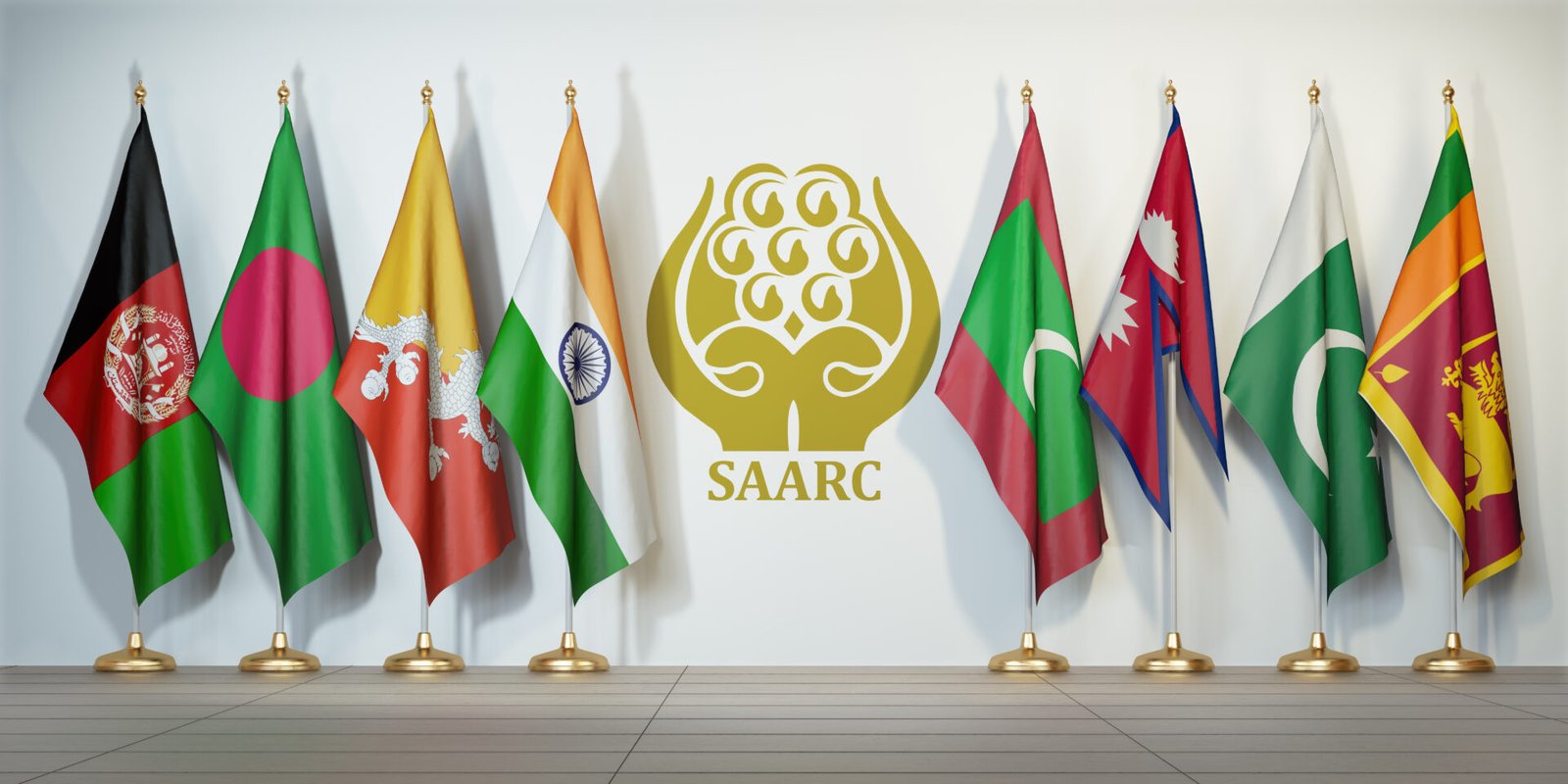
Conflicts and the Politicisation of Trade: Implications for Economic Cooperation in South Asia
This chapter in a book "Geo-economics in South Asian Environment" analyzes how bilateral conflicts—particularly between India and Pakistan—have politicized trade and hindered regional integration in South Asia, arguing that persistent tensions have undermined SAARC’s effectiveness and obstructed economic cooperation, despite the existence of regional and sub-regional mechanisms aimed at promoting integration.
Research Partnerships
We collaborate with leading universities, international organizations, government and private sector entities to conduct joint studies, host workshops and advance impactful research.
If you’re interested in partnering with us, we invite you to connect!