
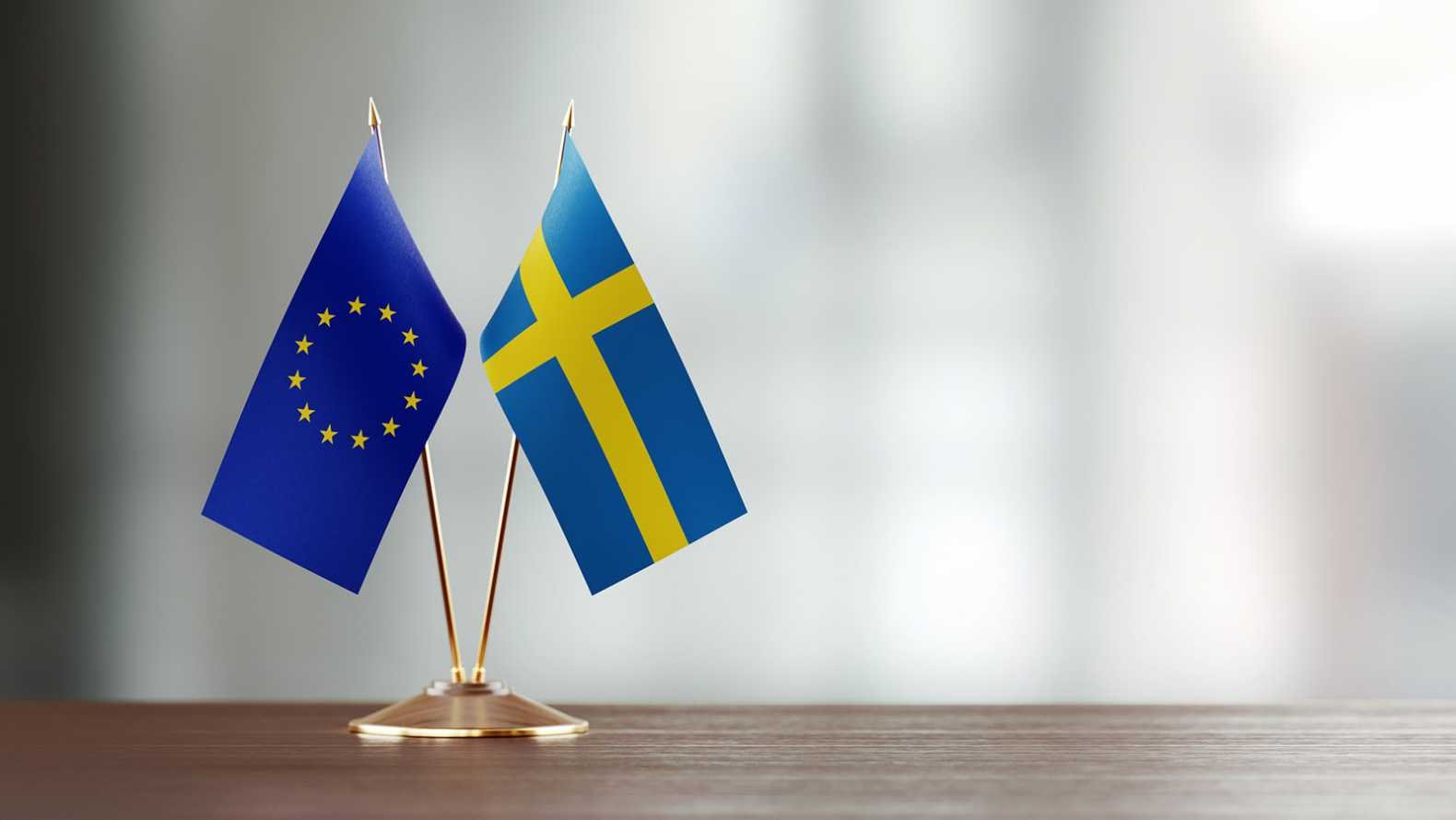
EU Strategic Autonomy is the ambition of Europe to act on its own in terms of defense, technology, economy and in world affairs. Sweden is empowering the EU to respond to crisis and protect the sovereignty and resilience by joining NATO through integration and technological capabilities.
Key Points
- Strategic independence helps the EU to limit reliance on foreign forces on defense, energy, and technology.
- The addition of Sweden into the NATO and powerful defense-industrial platform reinforces EU aggregate capacities.
- The EU wants the global supply chains, energy security, and reaction to crisis to be resilient.
- Alliances and strategic autonomy do not oppose each other.
- The war in Ukraine and competition in the world arena have increased activities of the EU to move towards independent action.
- EU policy is also aimed at the combination of defense, economic strategies and technological strategies into a unified one.
- According to statistical data, spending on defense in the EU rose by 25 percent between 2021-2024, which reflects priorities of autonomy.
- Sweden makes its contribution in the form of high-tech industries, cybersecurity and strategic geographic location.
EU’ Operational autonomy for Defense
The global uncertainty, the invasion of Ukraine by Russia and the change of the US commitments have made strategic autonomy central in the EU policy. The EU is interested in developing the capabilities that will enable its independent activity under the crisis conditions, as well as enhancing the collaboration with NATO. The projects of PESCO (Permanent Structured Cooperation), the European Defence Fund, and the joint projects on military mobility depict the institutional activities aimed at forming European defense. Empirically, the EU countries augmented aggregate defense expenditure using EUR250 billion in 2021 to more than EUR315 billion in 2024, a 25 percent increment with a view to achieving increased operational autonomy. Sweden has highly developed defense equipment such as the Saab Gripen fighter jets and a robust cybersecurity system and therefore it greatly increases the preparedness of the EU especially in Northern Europe and the Baltic region. Sweden has strategic coverage of the Baltic Sea due to its geographic position, which is very important in early warning and deterrence in case of Russian aggression.
Economic and Technological Resilience
Strategic autonomy does not merely mean military capability but also means economic as well as technological sovereignty. EU has been keen on ensuring the sources of critical industries, such as semiconductors, AI, green energy, and rare-earth minerals. Sweden is a key player in this dimension by its investments in the EU Chips Act, the Digital Services Act and the Global Gateway investments, as a means of being less reliant on the US and China, hence resilience. Its modern manufacturing industry, innovations in green energy and digital skills are supplements of EU plans. Indicatively, renewable energy in Sweden supplies about 60 percent of electricity production, which can support EU energy self-sufficiency. On the same note, Swedish companies such as Ericsson and Northvolt help Europe to be both technologically and industrially self-sufficient, which highlights the importance of operational independence in terms of strategic autonomy.
Sweden in the Strategic Posture of EU
The policy of Sweden is a practical compromise between EU and transatlantic cooperation. After its admission to NATO in 2023, Sweden has championed robust EU-NATO cooperation with a focus on the capability of the EU to operate on its own. The policy on foreign and defense focuses on the force of involvement in EU missions, peacekeeping and management of crisis. Sweden has had a positive response to the security concerns of the country and the union, by investing 2.1 percent of its GDP in defense in 2024, which is higher than the 2 percent target by NATO, which shows its investment in the country as well as the union. Sweden is also politically one of the supporters of the EU cohesion in decision making on foreign policy and it acts as the mediator between the large powers and the small member states. Its participation strengthens the credibility, functioning ability, and strategy coordination of the EU.
Energy Independence and Climate Resilience
Strategic autonomy is an important aspect of energy security. Russia-Ukraine war made the Europe vulnerable to the imports of energy, and the diversification and renewable sources became the key policy objectives. The almost fossil-free electricity production in Sweden founded on hydro, nuclear power and wind energy is a source of inspiration in terms of resilience that can be an informative source of EU-wide strategies. The international dimension of developing the energy competence of Sweden into the EU system enhances the effectiveness of the European Union to decrease its dependence on foreign vendors, decrease the risk of geopolitics, and reinforce the climate goals within the European Green Deal. Empirical evidence demonstrates that by 2023, Sweden will have decarbonized the fossil fuel use to less than 40 percent of the total energy consumption, which indicates a high degree of energy security.
Conclusion
EU Strategic Autonomy is an intentional process of empowering Europe to operate on its own in the defense, economy, and technology without necessarily depending on the outside forces. The accession of Sweden to NATO, its technological innovations, military base and expertise in energy, provide a range of depth to this goal, providing strategic depth, manufacturing capability and credibility in foreign policy. The EU institutions and its member states, including Sweden, are working together to ensure operational, economic, technological and energy resilience. The strategic freedom is the addition to alliances that promotes unity and equips the EU with the competition and crisis management on the global front. In the end, it makes Europe a competent and independent player in the 21 st -century security environment.
Bio
I am Tayyaba Hameed. A student of M.Phil International Relations at NUML, Rawalpindi. My research areas included sustainable development, climate-driven disaster, regional security, role of the US in disaster management in Indo-Pacific. I am also ambassador of TCF’ Alumni Pathways Department. Where I lead outreach session, motivational engagement and guide students about higher education and career choices.
References:
European Commission. Strategic Compass for Security and Defence, 2022.
European Defence Agency. EDA Annual Report, 2023.
Howorth, J. Strategic Autonomy and European Defence, Routledge, 2022.
Fiott, D. EU Strategic Autonomy: Meaning and Momentum, EUISS, 2023.
Swedish Ministry of Defence. Sweden’s NATO Accession and Defence Policy, 2023.
European Parliament. EU Chips Act and Technological Sovereignty, 2023.
Tocci, N. Framing EU Foreign Policy: Strategic Autonomy in Practice, Istituto Affari Internazionali, 2023.
Stockholm International Peace Research Institute (SIPRI). EU Defence Expenditure Data, 2024.
European Commission. Global Gateway Initiative, 2023.
The Great Miss Tayyaba, your article is very clear, well -organized, and shows a strong understanding of the topic. You explained Sweden’s role in the EU in a simple and meaningful way—Keep it up, great work!