
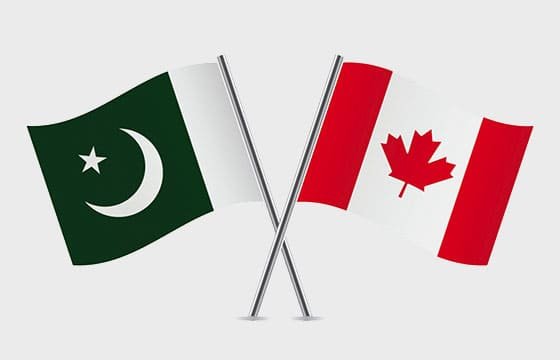
Recent 2025 diplomatic engagements, including high-level calls and meetings, have strengthened Canada-Pakistan ties, fostering trade, investment, and shared priorities for mutual prosperity and global cooperation.
Key Points
- October 30, 2025, bilateral call between Ishaq Dar and Anita Anand reaffirmed enduring relations and economic collaboration.
- November 3, 2025, joint statement committed to canola trade facilitation and upcoming 6th bilateral consultations.
- December 1, 2025, meeting with High Commissioner Tarik Ali Khan emphasized trade, investment, and people-to-people ties.
- Impacts include enhanced economic partnerships, diaspora engagement, and strategic alignment on global issues.
- Evergreen benefits feature resilient alliances promoting peace, inclusivity, and sustainable development.
In an era of shifting global dynamics, the evolving diplomatic engagements between Canada and Pakistan in 2025 demonstrate a commitment to robust bilateralism. These interactions, prioritizing dialogue and cooperation, provide policymakers with strategic frameworks, investors with confidence in stable markets, academics with models of international relations, and the general public with tangible benefits like economic opportunities and cultural exchanges. Blending timely initiatives with timeless principles of mutual respect, these efforts underscore how diplomacy can drive shared prosperity.
The year 2025 has seen a series of high-level interactions building on historical ties established in 1947. A key milestone was the October 30, 2025, telephonic conversation between Pakistan’s Deputy Prime Minister and Foreign Minister Senator Mohammad Ishaq Dar and Canada’s Foreign Minister Honourable Anita Anand. This call reaffirmed the strong, enduring relationship, with discussions spanning bilateral cooperation in agriculture, mining, and minerals. Anand appreciated Pakistan’s steps toward facilitating Canadian canola imports, a move addressing Pakistan’s edible oil needs while supporting Canada’s export diversification. This engagement reflects a rational approach: in a volatile world, such dialogues mitigate risks and open avenues for growth.
Following this, the November 3, 2025, joint statement issued in Ottawa solidified commitments to deepen ties. Co-signed by Dar and Anand, it emphasized peace, prosperity, and inclusive growth. A notable outcome was the agreement to facilitate Canadian canola exports, reviving trade after restrictions. The statement also highlighted the successful first round of Foreign Investment Promotion and Protection Agreement (FIPPA) negotiations, led by Canada’s Minister of International Trade Maninder Sidhu and Pakistan’s Federal Minister for Investment Qaiser Ahmed Sheikh. Looking ahead, it referenced the upcoming 6th round of bilateral political consultations as a platform to advance shared priorities and reinforce linkages. This evergreen mechanism—bilateral consultations since earlier rounds—ensures sustained dialogue, adapting to contemporary challenges like supply chain resilience.
|
Key 2025 Diplomatic Engagements |
Date |
Participants |
Focus Areas |
|
Trade Diversification Reception |
September 18 |
High Commissioner of Pakistan, Canadian Minister Maninder Sidhu |
Asia-Pacific trade promotion, bilateral ties |
|
Bilateral Call |
October 30 |
Ishaq Dar, Anita Anand |
Agriculture, mining, canola imports |
|
Joint Statement |
November 3 |
Ishaq Dar, Anita Anand |
Canola trade, FIPPA, upcoming consultations |
|
High Commissioner Meeting |
December 1 |
Ishaq Dar, Tarik Ali Khan |
Trade, investment, agriculture, people-to-people |
This table outlines the progression, blending current events with enduring diplomatic practices. Rational analysis reveals impacts: these steps have boosted bilateral trade, valued at US$525 million in 2024, with potential for growth in IT and renewables.
The December 1, 2025, meeting in Islamabad between Dar and Canadian High Commissioner Tarik Ali Khan further amplified this momentum. Held at the Ministry of Foreign Affairs, the discussion appreciated the positive trajectory of relations and stressed deepening economic, trade, investment, agricultural, and people-to-people cooperation. Khan thanked Pakistan for supporting canola imports and noted progress in mining projects like Reko Diq by Canada’s Barrick Gold. Dar emphasized leveraging the Pakistani diaspora in Canada for stronger ties. This meeting exemplifies cooperative analysis: diaspora networks, an evergreen asset, facilitate remittances (US$300 million annually) and cultural bridges, enhancing economic resilience.
These engagements have tangible impacts. The canola agreement could revive imports to 1.35 million tonnes annually, adding US$600-700 million in value. FIPPA progress mitigates investment risks, attracting Canadian capital to Pakistan’s minerals and energy sectors. For policymakers, this means aligned strategies on global issues like climate and security; investors gain from stable environments; academics can study evolving South-North partnerships; and the public benefits from jobs and affordable goods.
Evergreen elements include Canada’s role in humanitarian aid and Pakistan’s contributions to peacekeeping, fostering trust. Contemporary data shows bilateral trade growth potential beyond US$1 billion, driven by these initiatives.
|
Projected Impacts on Relations |
Economic |
Social |
Strategic |
|
Trade Volume Growth |
+20-30% in agro and minerals |
Diaspora remittances boost |
Joint global advocacy |
|
Investment Inflows |
FIPPA-enabled FDI rise |
Cultural exchanges |
Consultation platforms |
|
Sectoral Synergies |
Renewables, IT ventures |
People-to-people links |
Peace promotion |
This table rationalizes benefits, promoting a vision where Canada-Pakistan ties model inclusive internationalism.
Conclusion 2025’s diplomatic engagements have invigorated Canada-Pakistan relations, from trade facilitations to consultative commitments, yielding economic and social dividends. This partnership offers policymakers strategic depth, investors secure opportunities, academics analytical insights, and the public enhanced well-being. By nurturing these ties, both nations can champion global prosperity, setting an example of cooperative diplomacy for future generations.
* Dr. Muhammad Jahanzaib is the Founder & Chief Visionary Officer (CVO) of Diamanium Thinkers, a global think tank. He holds a PhD in International Relations, specializing in the intersection of politics and economics in Pakistan’s foreign and domestic policy. A double gold medalist and published scholar, he writes on economic intelligence, economic diplomacy, political economy, AI and regional cooperation in South Asia and beyond. He can be reached at jahanzaibdgc@gmail.com.
References
- Canada-Pakistan Joint Statement: Reaffirming strong and enduring ties – https://www.canada.ca/en/global-affairs/news/2025/11/canada-pakistan-joint-statement-reaffirming-strong-and-enduring-ties.html
- Ishaq Dar meets Canadian envoy – https://www.nation.com.pk/02-Dec-2025/ishaq-dar-meets-canadian-envoy
- Pakistan, Canada strengthen partnership on trade, investment – https://mettisglobal.news/Pakistan-Canada-strengthen-partnership-on-trade-investment-56377
- Canada and Pakistan agree to facilitate canola trade as Ottawa … – https://www.dawn.com/news/1953065
- DPM emphasizes to strengthen economic ties with Canada – https://www.radio.gov.pk/01-12-2025/dpm-emphasizes-to-strengthen-economic-ties-with-canada
Deputy Prime Minister/Foreign Minister Senator Mohammad Ishaq Dar … – https://www.facebook.com/foreignofficepk/posts/deputy-prime-ministerforeign-minister-senator-mohammad-ishaq-dar-received-canadi/1304113191754750/