
Diamanium Thinkers

Author name: Dr Sajid Iqbal Khattak

other blogs

The Quiet Revolution: It’s Not Over Yet

Zorain Nizamani’s “It is Over” captures the growing frustration of the young generation toward a seemingly unresponsive and outdated political and institutional order. His argument resonates with many: there is a disconnect between the youth’s aspirations and the establishment’s inertia. However, the claim that the generational contract is broken beyond repair may be premature. It’s not over yet. Beneath the noise of cynicism and disillusionment lies an undercurrent of transformation, collaboration, and constructive activism redefining civic engagement in the 21st century.
other blogs

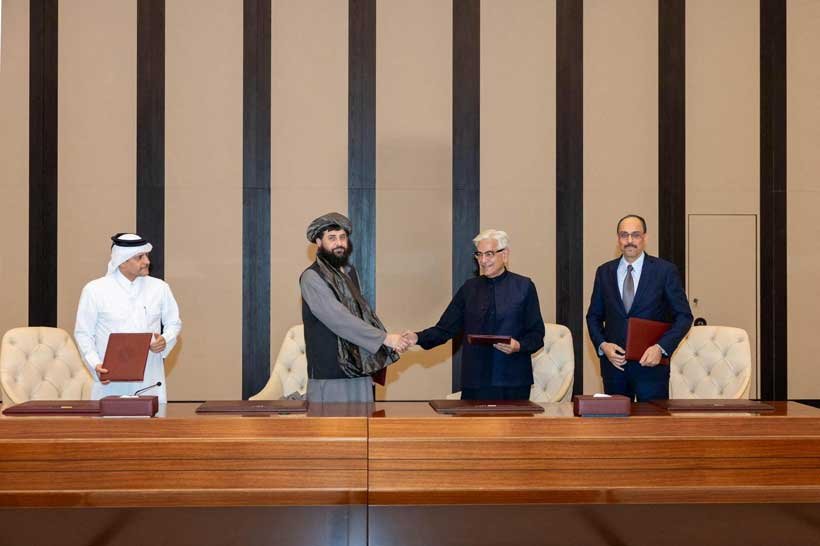
Afghanistan Diplomacy in Transition From Isolation to Managed Engagement

Over the last six months Afghanistan diplomacy has evolved into a pattern of steady engagement marked by frequent meetings targeted outreach and a deliberate effort to appear as a functioning and predictable state actor. Rather than dramatic diplomatic announcements the period has been defined by continuous contact with regional and international actors as reflected in official meetings hosted by the Ministry of Foreign Affairs in Kabul and through sustained telephonic diplomacy. These engagements together provide a clearer picture of where Afghanistan foreign relations are heading and what limits continue to shape them.

other blogs

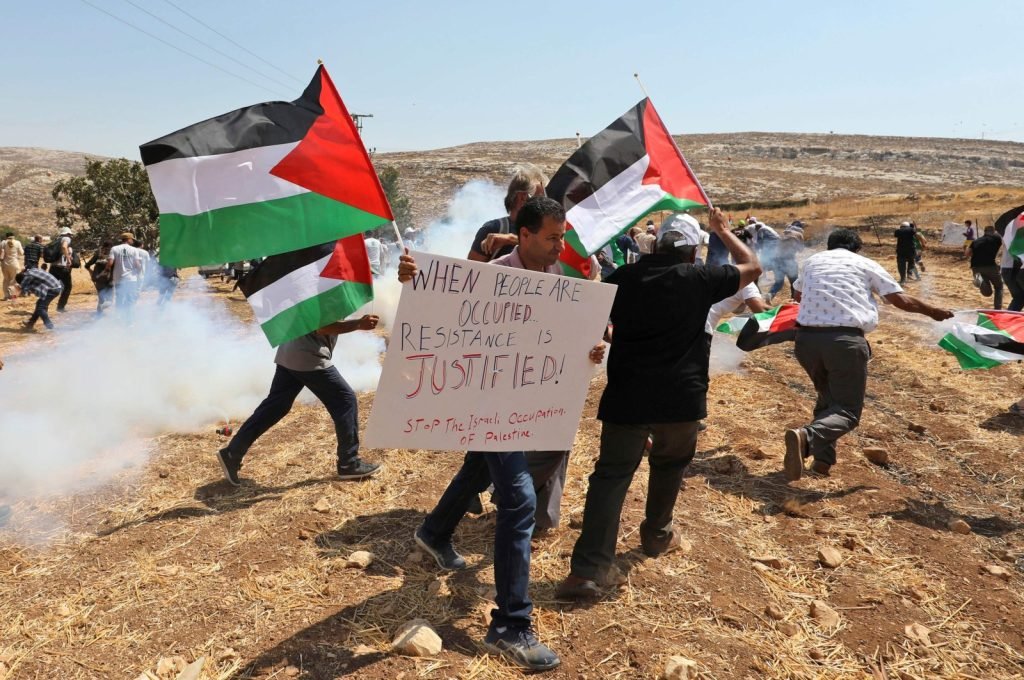
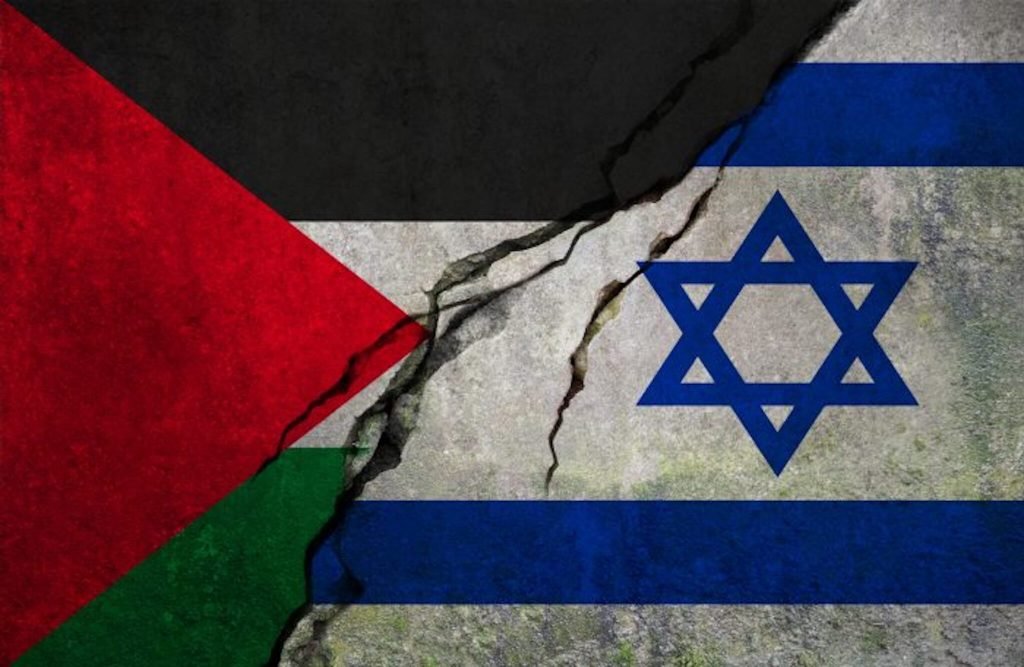
Between Occupation and Security: A Comparative Analysis of the Palestinian and Israeli Perspectives

Few conflicts have captured global attention for as long, and with as much moral weight, as the Israeli–Palestinian struggle. Each side claims legitimacy grounded in history, law, and justice. Yet, as this comparative analysis shows, the Palestinian and Israeli perspectives operate within fundamentally different frameworks: one seeks liberation from occupation, the other the preservation of sovereignty and security. Using a comparative methodology allows us to examine the assumptions, values, and contradictions that shape both narratives and how they interact with international law and global ethics.

other blogs

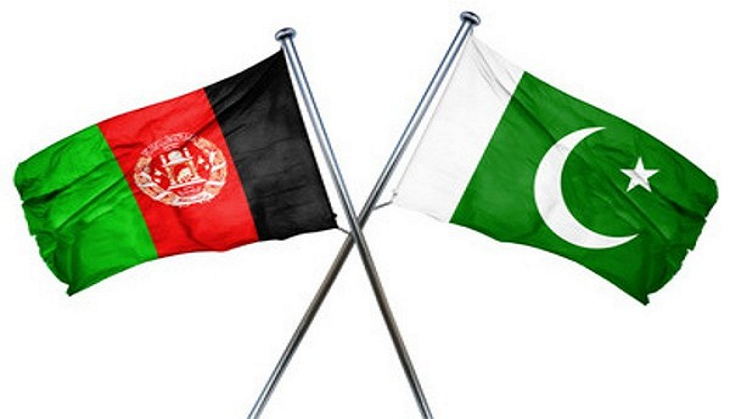
Contradictions Between Islam and Realpolitik: Understanding Pakistan–Afghanistan Relations

Pakistan and Afghanistan share a border, a people, and a century of tangled politics. Their relationship has been shaped by colonial legacies, competing security priorities, and chronic mistrust. Both states claim victimhood while pursuing policies that often reproduce the very instability they denounce. This article outlines those contradictions with evidence and offers an honest appraisal of why the cycle persists.

other blogs

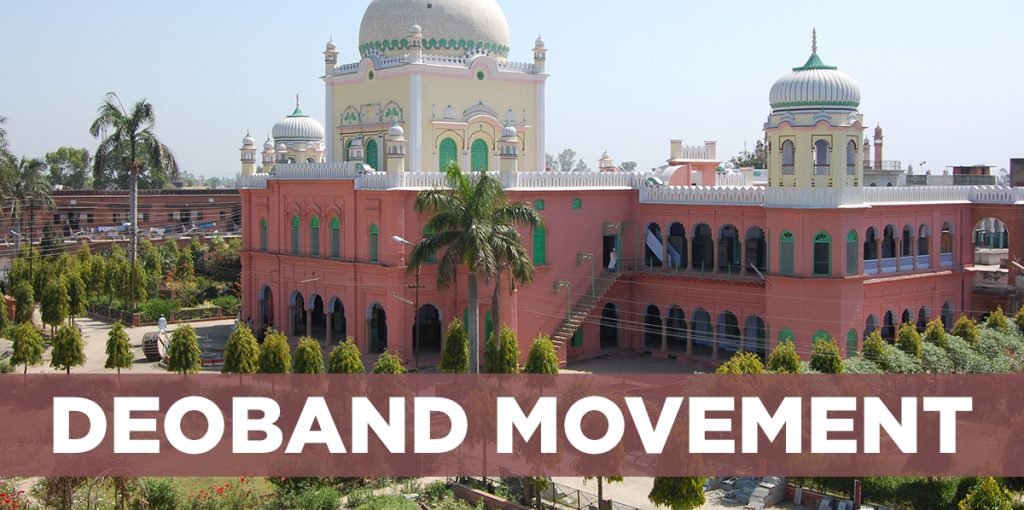
Mutaqi’s Visit to Deoband: A Subtle Warning to Pakistan and the Shifting Boundaries of Deobandi Politics

The Hamas-led attack on Israel on October 7, 2023, has dramatically altered the geopolitical landscape of the Middle East and beyond. While the attack was initially seen through the lens of brutality, loss of life, and the ensuing Israeli military campaign in Gaza, its long-term strategic consequences are gradually becoming more visible. In retrospect, this event could be understood not merely as an outbreak of violence but as a turning point in the regional and international order, undermining frameworks such as the Abraham Accords, elevating Palestinian statehood on the global agenda, weakening Israel’s external interdependence, and signaling the gradual decline of U.S. hegemony.

other blogs

Why Hamas is winning against Israel??  

The Hamas-led attack on Israel on October 7, 2023, has dramatically altered the geopolitical landscape of the Middle East and beyond. While the attack was initially seen through the lens of brutality, loss of life, and the ensuing Israeli military campaign in Gaza, its long-term strategic consequences are gradually becoming more visible. In retrospect, this event could be understood not merely as an outbreak of violence but as a turning point in the regional and international order, undermining frameworks such as the Abraham Accords, elevating Palestinian statehood on the global agenda, weakening Israel’s external interdependence, and signaling the gradual decline of U.S. hegemony.

other blogs

The Paradox of Victory in the 2025 India-Pakistan Conflict

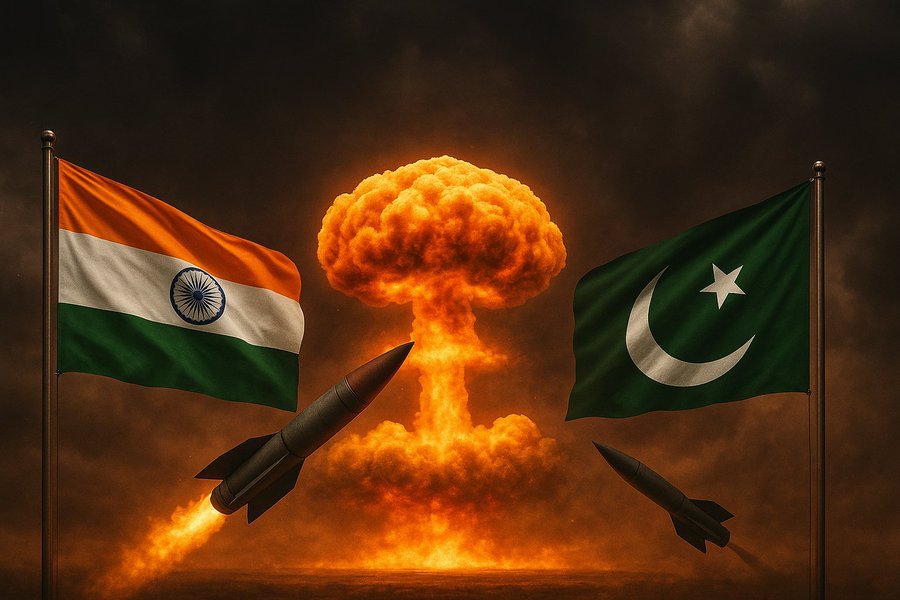
The brief but intense armed conflict between India and Pakistan in May 2025, precipitated by the horrific Pahalgam terrorist attack in Kashmir on April 22 that killed 26 civilians (BBC 2025), represents a critical juncture in the strategic trajectories of both South Asian rivals. Ostensibly concluding with a fragile ceasefire on May 10 (UN News 2025), the conflict and its diplomatic aftermath reveal a complex interplay of military assertions, economic pressures, and geopolitical maneuvering that fundamentally challenges the official narratives of victory promoted by both nations. The subsequent months have witnessed Pakistan celebrating diplomatic and economic gains through a renewed partnership with the United States, including a trade deal lowering tariffs to 19% (USTR 2025) and an agreement on oil development (White House 2025), while India faces punitive U.S. tariffs of 25% alongside penalties for its Russian energy and defense purchases (U.S. Treasury 2025). This divergence prompts a deeper examination of whether India has compromised its cherished strategic autonomy and whether Pakistan’s apparent successes constitute sustainable strategic gains or merely tactical concessions with hidden long-term costs.

other blogs

When Applause Shapes Diplomacy: Trump’s Quest for a Nobel Peace Prize

When we study international relations, it becomes clear that personality can shape foreign policy in profound ways. Donald J Trump is a prime example of this phenomenon. His second term in the White House has once again demonstrated how his personal traits, especially his constant need for recognition, are tightly bound to his foreign policy actions. For Trump symbolic prizes and public validation are not peripheral but central to his sense of success. The Nobel Peace Prize has been a recurring theme in his rhetoric, and his actions abroad reflect a continuing pursuit of dramatic gestures that would elevate him into history. From a psychological standpoint this is consistent with leaders who display high narcissism, high extraversion, and low agreeableness. They crave attention, are extremely sensitive to perceived slights, and sometimes take risks that others would avoid.

Scroll to Top