Diamanium Thinkers

other blogs

other blogs

The Quiet Revolution: It’s Not Over Yet

Zorain Nizamani’s “It is Over” captures the growing frustration of the young generation toward a seemingly unresponsive and outdated political and institutional order. His argument resonates with many: there is a disconnect between the youth’s aspirations and the establishment’s inertia. However, the claim that the generational contract is broken beyond repair may be premature. It’s not over yet. Beneath the noise of cynicism and disillusionment lies an undercurrent of transformation, collaboration, and constructive activism redefining civic engagement in the 21st century.

other blogs

Afghanistan Diplomacy in Transition From Isolation to Managed Engagement

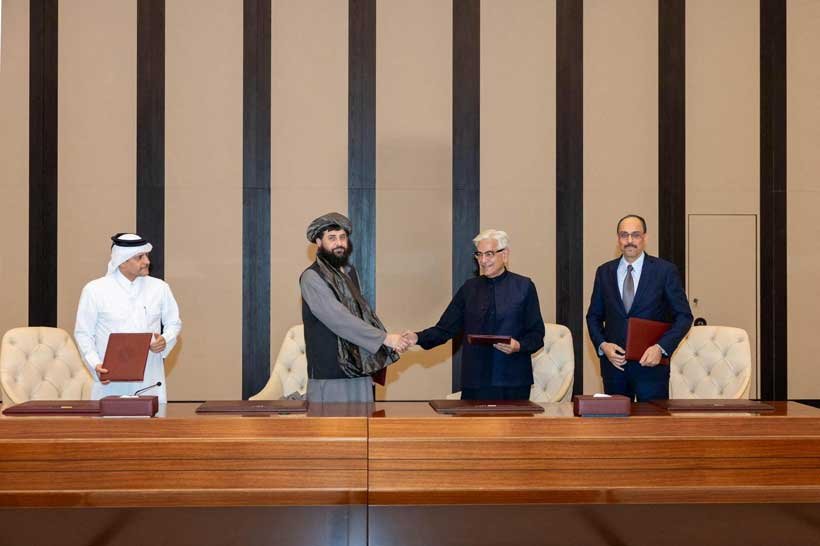
Over the last six months Afghanistan diplomacy has evolved into a pattern of steady engagement marked by frequent meetings targeted outreach and a deliberate effort to appear as a functioning and predictable state actor. Rather than dramatic diplomatic announcements the period has been defined by continuous contact with regional and international actors as reflected in official meetings hosted by the Ministry of Foreign Affairs in Kabul and through sustained telephonic diplomacy. These engagements together provide a clearer picture of where Afghanistan foreign relations are heading and what limits continue to shape them.

other blogs

Pakistan at the Crossroads: Peacekeeper to Gaza or Witness from Afar?

The possible deployment of Pakistani troops to Gaza represents a landmark decision in Pakistan’s foreign policy and must be guided by the principles of legality, legitimacy, and a clear humanitarian focus. While moral duty and long-standing historical ties with the Palestinian people may encourage active engagement, concerns over operational risks, political fragility, and the complex dynamics of regional powers warrant caution. Any use of force should occur strictly within a UN-backed multilateral framework, with a mandate limited to humanitarian purposes and full parliamentary approval. Without these safeguards, such a move could undermine Pakistan’s international credibility, strain its security posture, and risk unnecessary military involvement. Therefore, a prudent approach combining effective diplomacy, sustained humanitarian assistance, and strictly regulated peacekeeping would best preserve Pakistan’s moral authority, safeguard its national interests, promote long-term regional stability, and meaningfully alleviate the suffering of the Palestinian people.

Scroll to Top