
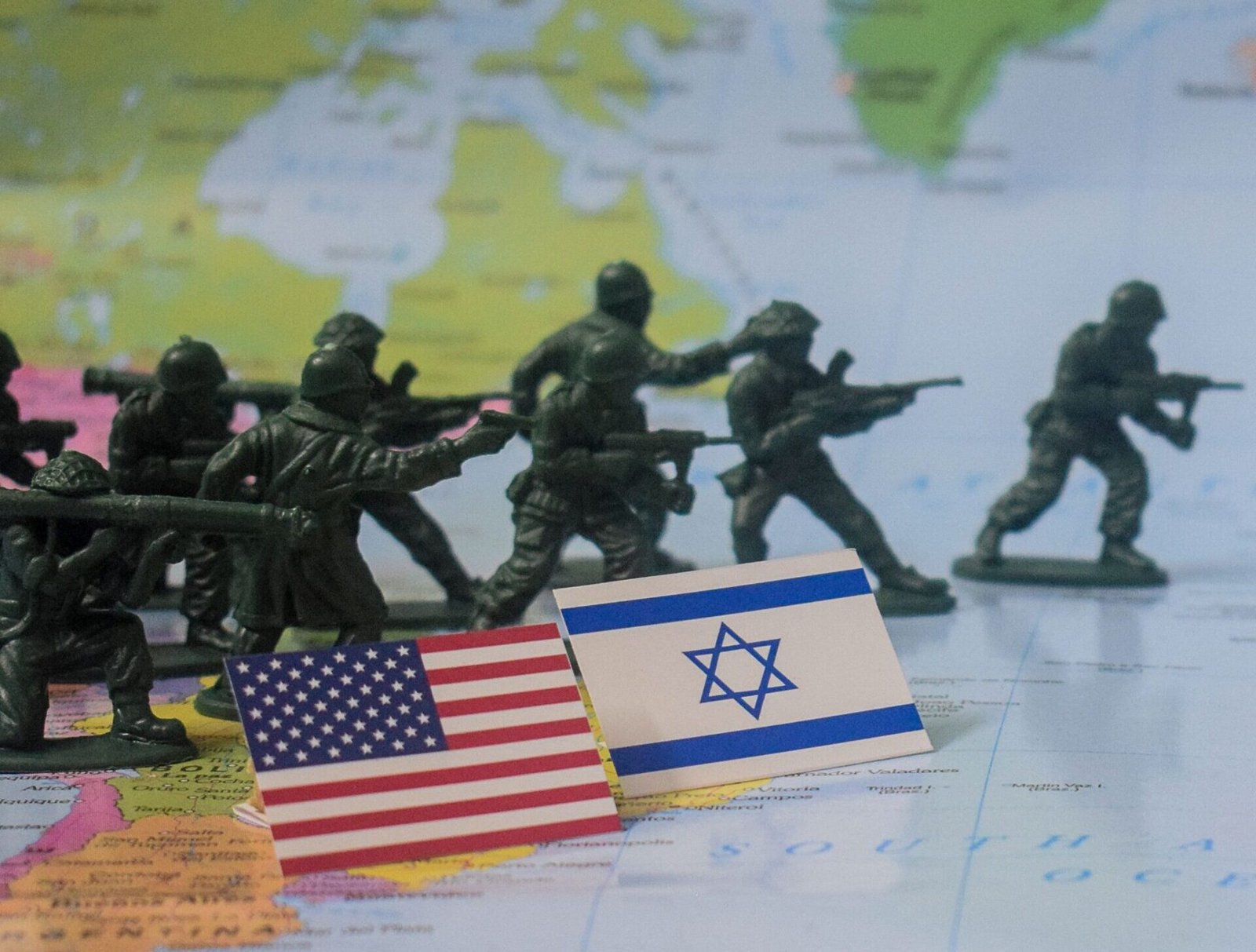
The ongoing US-Iran conflict, marked by strikes, Strait of Hormuz disruptions, and fragile ceasefire talks, has driven sharp commodity volatility in mid-2026. Oil prices surged toward $89–100+/bbl on supply fears, while gold and metals showed mixed safe-haven dynamics. For import-dependent economies like Pakistan, this escalates energy costs and inflation risks but opens hedging and diversification avenues via PMEX.
Key Points
- Energy Surge: US-Iran hostilities and Hormuz threats pushed Brent crude near $89/bbl and WTI to $82+ in July 2026, with Goldman Sachs warning of $120 potential if the strait remains closed.
- Broad Repricing: Over two-thirds of commodities are expected to rise in 2026 due to geopolitical shock, reversing earlier balanced outlooks.
- Supply Chain Disruptions: OPEC output cuts and tanker rerouting amplify volatility; gasoline prices in the US have hit $4/gallon.
- Safe-Haven Dynamics: Gold faced counter-pressure from a stronger dollar and rate expectations, posting one of its worst monthly performances despite conflict bids.
- Pakistan Perspective: PMEX saw heightened activity in crude and gold; while inflation risks rise, CPEC energy ties and hedging tools offer strategic buffers.
- Diplomatic Outlook: Ceasefire proposals (including a 10-day mediation involving Pakistan) could ease pressures, yet prolonged conflict risks sustained global inflation.
The US-Iran war that escalated in early 2026 has become a dominant driver of global commodity markets. Joint US-Israel strikes on Iranian targets, Iranian retaliatory actions, and threats to shipping lanes—particularly the Strait of Hormuz—triggered immediate supply shocks. By July 2026, with naval blockades and Houthi involvement threatening the Red Sea route, markets remain on edge.
Table 1: Oil Price Volatility Snapshot (Selected Periods, 2026)
| Benchmark | Mid-July Level (approx.) | Recent Change | Key Driver | Potential Peak Risk |
|---|---|---|---|---|
| Brent Crude | $87–89/bbl | +2–9% on strikes | Hormuz disruptions | $120 (extended closure) |
| WTI Crude | $78–82/bbl | +2.8–9.4% on news | US inventory draws | Elevated volatility |
| Gasoline (US) | $4/gallon | Surge on fears | Refined tightness | Sustained inflation |
Sources: Reuters, WSJ, Goldman Sachs reports (July 2026).
Broader commodity impacts extend beyond energy. Oxford Economics noted that more than two-thirds of commodities are on track for price increases in 2026 due to the war’s ripple effects on supply chains. Metals experienced volatility, while agricultural commodities saw secondary effects via higher transport and energy input costs.
For Pakistan, the war amplifies imported challenges. As a net oil importer, higher crude prices strain the current account, with PMEX recording elevated trading volumes in crude oil and gold futures for hedging. However, remittances remain a strong buffer, and CPEC 2.0 energy ties provide some strategic depth.
Table 2: Commodity Market Repricing Drivers (2026 Iran Conflict Context)
| Commodity Group | Expected 2026 Trend | Primary Risk Factor | Pakistan Exposure |
|---|---|---|---|
| Energy (Oil/Gas) | Strong upward pressure | Hormuz/Red Sea disruption | High (imports, inflation) |
| Precious Metals | Volatile, net positive | Safe-haven vs. dollar | Hedging via PMEX |
| Base Metals | Mixed upward | Supply chain & demand | Moderate (CPEC) |
| Agriculture | Secondary rises | Energy/transport costs | Food security & exports |
Sources: Oxford Economics, Reuters, local market reports (2026).
Conclusion
The US-Iran war has reshaped 2026 commodity markets, transforming expected balance into geopolitically driven volatility. Oil’s surge to near $89–100/bbl highlight supply fragility, while differentiation in metals offers nuanced opportunities. For Pakistan, higher import bills test fiscal space, yet PMEX hedging and CPEC diversification mitigate risks. Policymakers should accelerate strategic reserves and alternative sourcing. As ceasefire prospects evolve, markets will remain sensitive to the status of the Strait of Hormuz. This episode reinforces the value of resilient supply chains in an era of persistent geopolitical fragmentation—priorities Diamanium Thinkers will continue analyzing for actionable insights.
* Dr. Muhammad Jahanzaib holds a PhD in International Relations, is a double gold medalist and author of the book The Interplay of Geo-Politics and Geo-Economics in Pakistan’s Foreign Policy (Post-2008) (Palgrave Macmillan, 2026), along with several esteemed publications. As Chief Visionary Officer of Diamanium Thinkers (a global think tank), he brings over 15 years of experience advising ministries, diplomats, security agencies, the corporate sector, and civil society. His advisory work spans economic diplomacy, political economy, economic intelligence, strategic financial advisory, security, society and the geo-economic world dynamics. He offers a unique blend of practitioner insight and academic rigor, combining hands-on engagement with state institutions and strategic expertise grounded in research. He can be reached at jahanzaibdgc@gmail.com.
References
- Goldman Sachs: Trending reports on $120 oil risk (July 2026)
- Oxford Economics: How the Iran war is reshaping commodity markets in 2026
- Reuters: Oil prices on US-Iran attacks and Hormuz (mid-July 2026)
- CNBC / WSJ: Market reactions to Iran Conflict (2026)
- Arab News: Pakistan outflows linked to geopolitics (March 2026)
- Morgan Stanley: Iran Conflict – Seven Takeaways for Investors