Diamanium Thinkers

other blogs

other blogs

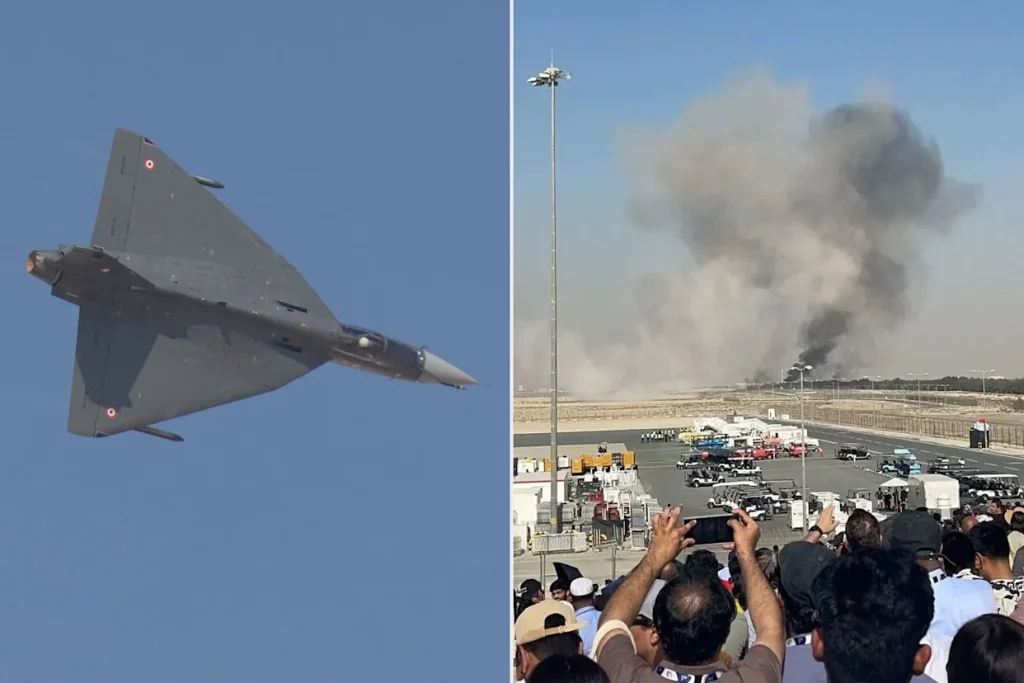
IAF Tejas Crash at Dubai Airshow: An Isolated Event or a Manifestation of Deep Systemic Issues?

Lord Kelvin, the legendary British mathematician and physicist, is famous for his contributions towards formulating laws of thermodynamics. Curiously, his scepticism about flight is clear when he said “Heavier-than-air flying machines are impossible” as the President of Royal Society (London) in 1895. He also stated that he had “not the smallest molecule of faith in aerial navigation other than ballooning”. Another infamous quote on the topic which is often wrongly attributed to him is “If God had meant man to fly, he would have given him wings.” However, despite all the doubt, the Wright brothers showed the world visibly the endless possibilities of flying in 1903.
other blogs

The Evolving Security Triangle in South Asia and it’s Impact on Regional Stability

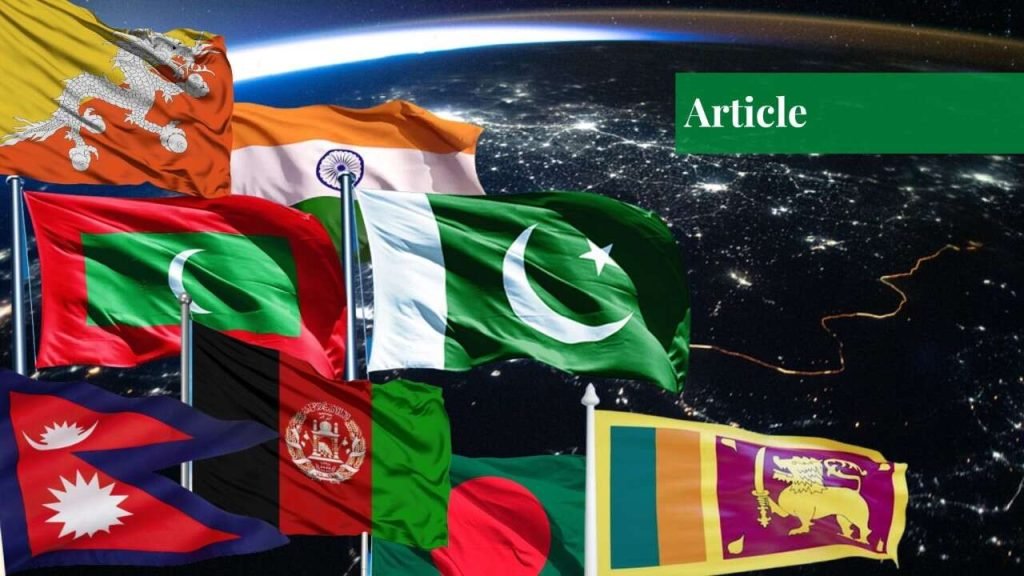
The evolving security triangle between Pakistan, Afghanistan, and India is that the historical rivalries, unresolved territorial disputes, and competing geopolitical interests among these three states continuously fuel instability and insecurity in South Asia, creating a complex web of conflict that obstructs regional peace and integration. The complex nature of the conflict in the region, amalgamated by the cross-border militancy, proxy wars, insurgencies, and great power rivalries, makes this region volatile, the tensest security formation in the region. This article is developed to investigate how these overlapping disputes interact, and how the actions of one state change the behaviors and policies of the other states, and lastly, how enmity affects the prospects for peace and stability in the region.

other blogs

Defying Power: ZOHRAN Mamdani vs Trump, Zionist Influence and Mainstream Media 

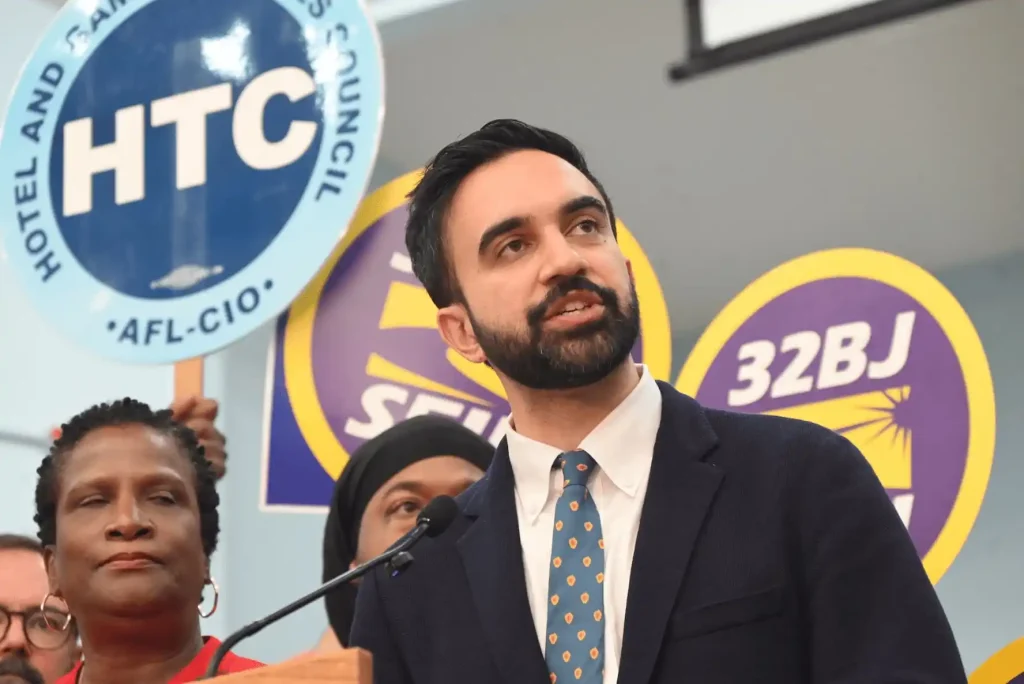
Mamdani, a 34-year-old state assemblyman, who called himself a democratic socialist, defeated the 67-year-old disgraced governor of New York, Andrew Cuomo, in Tuesday’s mayoral election of NYC a city home to global capitalism. He is a Muslim immigrant, a strong voice against Zionism and Israel’s genocide in Gaza. Combined with these, he was probably the one with the slimmest chances to grab the chair at City Hall.

other blogs

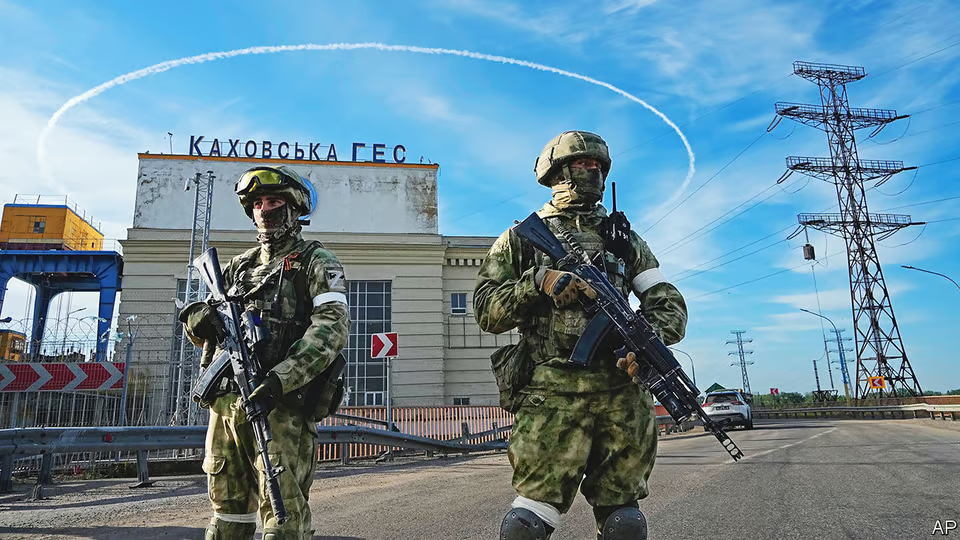
The Internal Logic of External Wars: Domestic Drivers in Russia–Ukraine and India–Pakistan Relations

Conflicts between states are often explained through external determinants such as power politics, alliances, and geopolitics. Yet, an equally critical dimension lies within the internal determinants that shape a state’s behavior and drive it toward confrontation. These include political leadership, ideology, domestic legitimacy, economic pressures, institutional interests, and public opinion. The Russia–Ukraine and India–Pakistan conflicts demonstrate how domestic imperatives often push states into external wars that mirror internal struggles for identity, stability, and authority.

other blogs

Pakistan’s evolving policy toward the Afghan Taliban: balancing security, diplomacy and sovereignty

Since 2021, Pakistan had been hoping that the Taliban would stabilize Afghanistan by returning to power in Kabul and ensure that cross-border militancy that is spilling to Pakistan reduces. Repeated high-profile assaults (senior police and military officers) within Pakistan (Balochistan and KPK) by 2025 as a result of Tehreek-e-Taliban Pakistan (TTP) and other forces based on Afghan territory made Islamabad conscious of the fact that engagement did no longer suffice to counter the threat; and the understanding compelled Pakistan to expand its repertoires of denying the threat to include visible security operations.

other blogs

Contradictions Between Islam and Realpolitik: Understanding Pakistan–Afghanistan Relations

Pakistan and Afghanistan share a border, a people, and a century of tangled politics. Their relationship has been shaped by colonial legacies, competing security priorities, and chronic mistrust. Both states claim victimhood while pursuing policies that often reproduce the very instability they denounce. This article outlines those contradictions with evidence and offers an honest appraisal of why the cycle persists.

other blogs

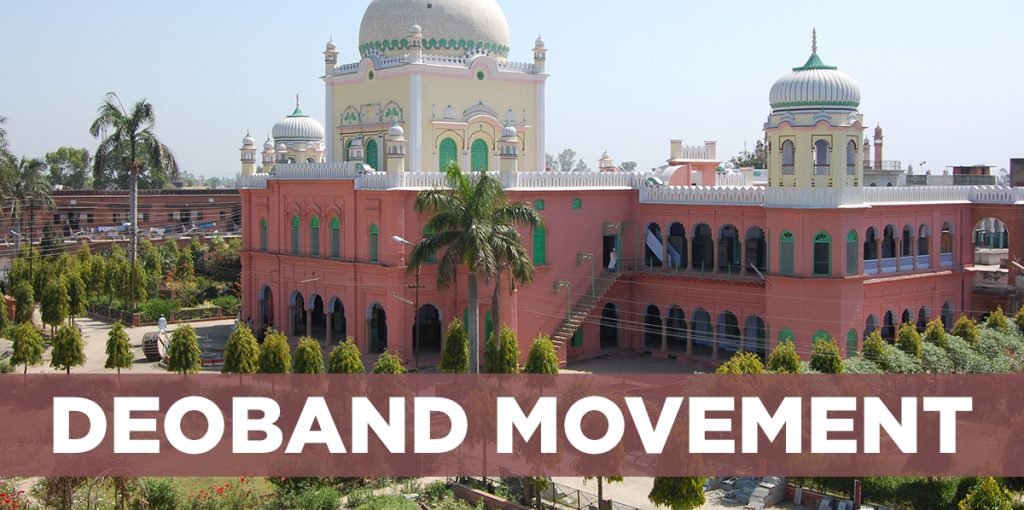
Mutaqi’s Visit to Deoband: A Subtle Warning to Pakistan and the Shifting Boundaries of Deobandi Politics

The Hamas-led attack on Israel on October 7, 2023, has dramatically altered the geopolitical landscape of the Middle East and beyond. While the attack was initially seen through the lens of brutality, loss of life, and the ensuing Israeli military campaign in Gaza, its long-term strategic consequences are gradually becoming more visible. In retrospect, this event could be understood not merely as an outbreak of violence but as a turning point in the regional and international order, undermining frameworks such as the Abraham Accords, elevating Palestinian statehood on the global agenda, weakening Israel’s external interdependence, and signaling the gradual decline of U.S. hegemony.

other blogs

Why Hamas is winning against Israel??  

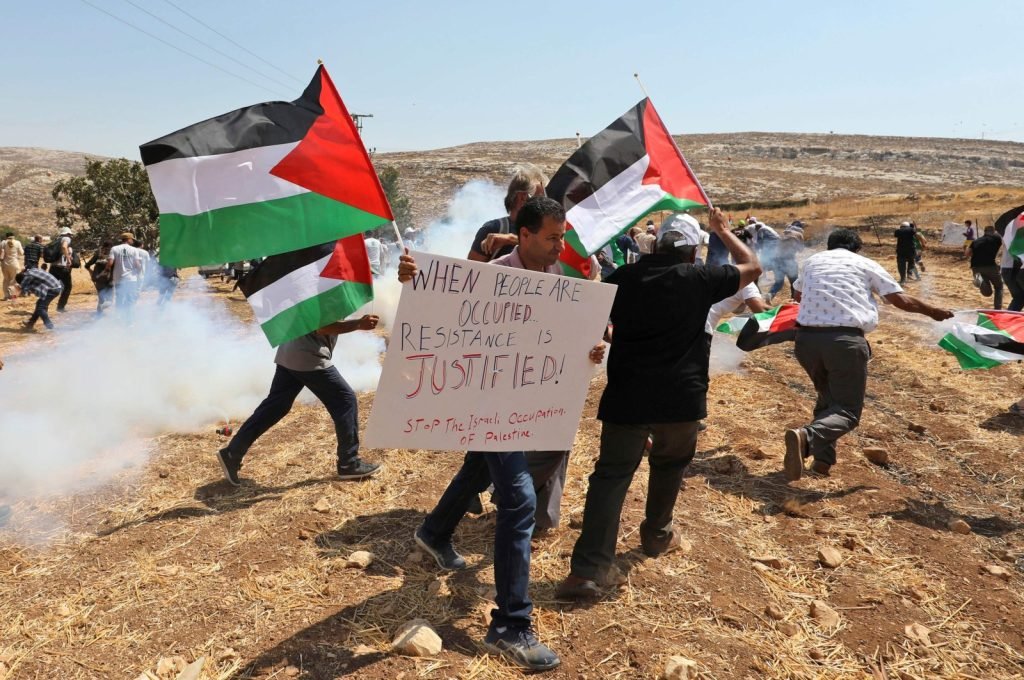
The Hamas-led attack on Israel on October 7, 2023, has dramatically altered the geopolitical landscape of the Middle East and beyond. While the attack was initially seen through the lens of brutality, loss of life, and the ensuing Israeli military campaign in Gaza, its long-term strategic consequences are gradually becoming more visible. In retrospect, this event could be understood not merely as an outbreak of violence but as a turning point in the regional and international order, undermining frameworks such as the Abraham Accords, elevating Palestinian statehood on the global agenda, weakening Israel’s external interdependence, and signaling the gradual decline of U.S. hegemony.

other blogs

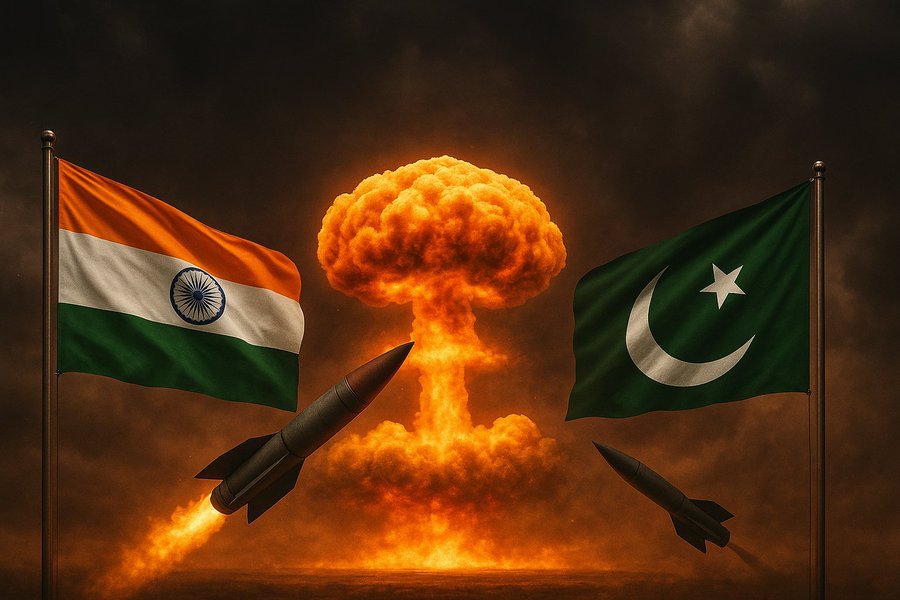
The Paradox of Victory in the 2025 India-Pakistan Conflict

The brief but intense armed conflict between India and Pakistan in May 2025, precipitated by the horrific Pahalgam terrorist attack in Kashmir on April 22 that killed 26 civilians (BBC 2025), represents a critical juncture in the strategic trajectories of both South Asian rivals. Ostensibly concluding with a fragile ceasefire on May 10 (UN News 2025), the conflict and its diplomatic aftermath reveal a complex interplay of military assertions, economic pressures, and geopolitical maneuvering that fundamentally challenges the official narratives of victory promoted by both nations. The subsequent months have witnessed Pakistan celebrating diplomatic and economic gains through a renewed partnership with the United States, including a trade deal lowering tariffs to 19% (USTR 2025) and an agreement on oil development (White House 2025), while India faces punitive U.S. tariffs of 25% alongside penalties for its Russian energy and defense purchases (U.S. Treasury 2025). This divergence prompts a deeper examination of whether India has compromised its cherished strategic autonomy and whether Pakistan’s apparent successes constitute sustainable strategic gains or merely tactical concessions with hidden long-term costs.

Scroll to Top