Diamanium Thinkers

other blogs

other blogs

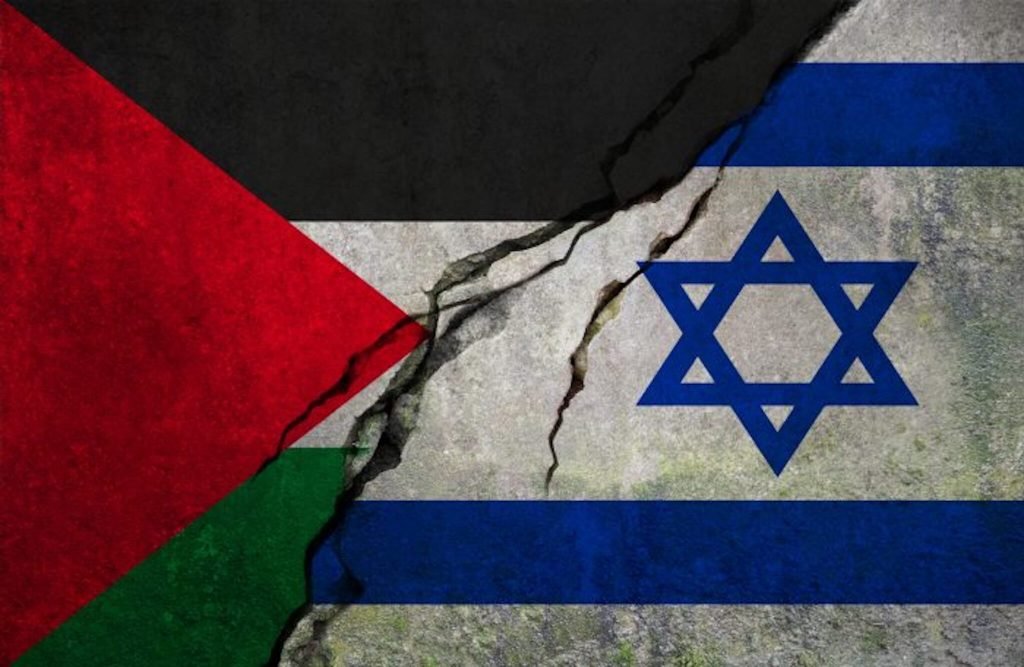
Between Occupation and Security: A Comparative Analysis of the Palestinian and Israeli Perspectives

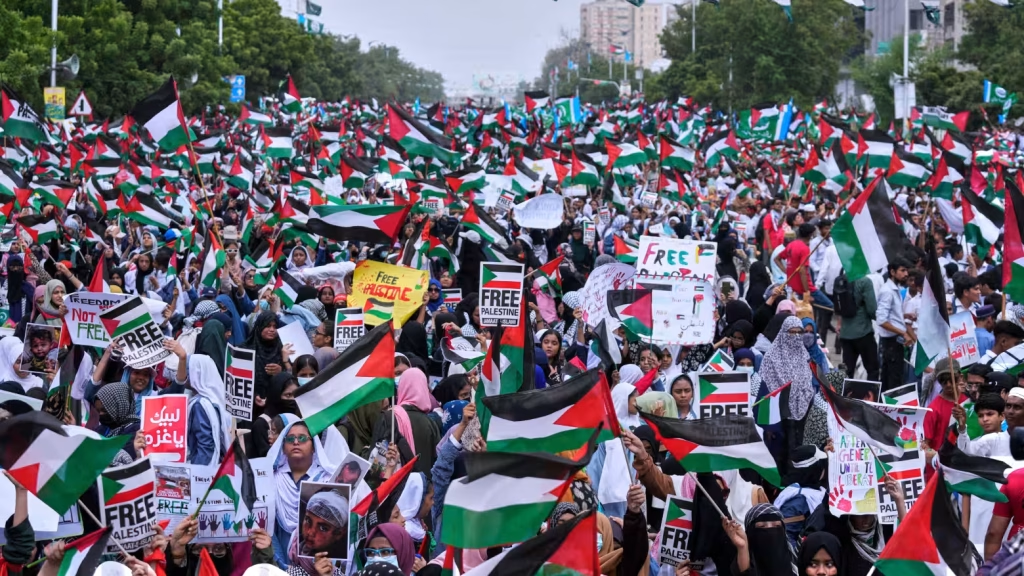
Few conflicts have captured global attention for as long, and with as much moral weight, as the Israeli–Palestinian struggle. Each side claims legitimacy grounded in history, law, and justice. Yet, as this comparative analysis shows, the Palestinian and Israeli perspectives operate within fundamentally different frameworks: one seeks liberation from occupation, the other the preservation of sovereignty and security. Using a comparative methodology allows us to examine the assumptions, values, and contradictions that shape both narratives and how they interact with international law and global ethics.

other blogs

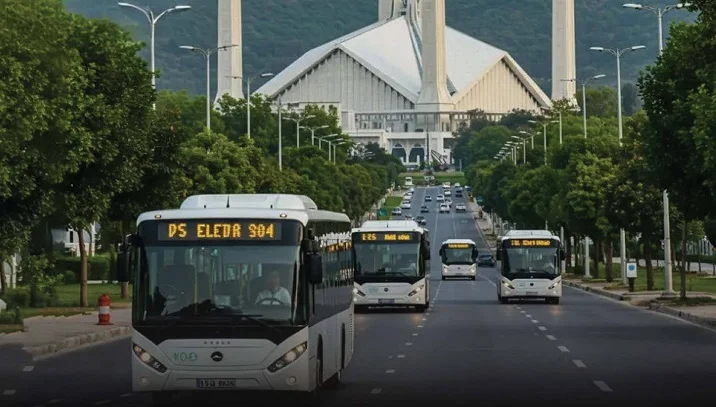
Year 2025 marks Islamabad’s Diplomatic Revival

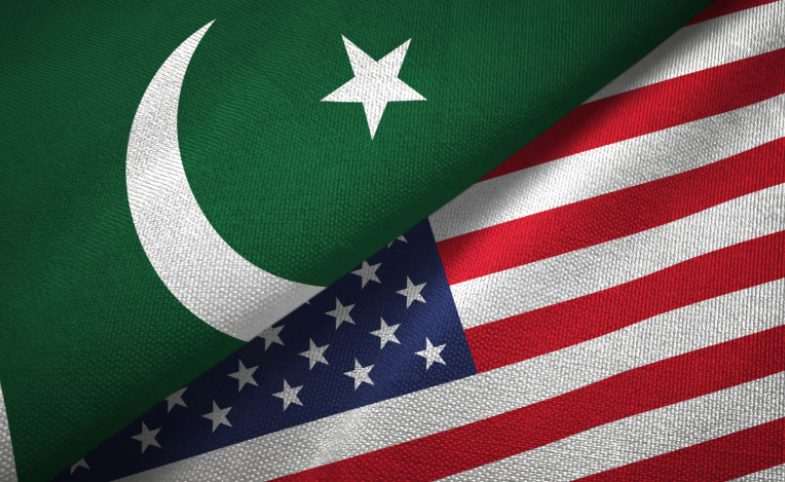
In the chorography of global politics, Pakistan’s foreign policy has experienced the burden of previous decades of turbulence, missed opportunities, and irrelevancies. After years of defensive measures, Islamabad is now unveiling itself as an assertive, cooperative, and indispensable partner at both regional and global levels. Before Marka-e-Haq, the country had remained quite sidelined in the theatre of international politics. However, since May 2025, after the victory of Operation Bunyan ul Marsos, it has actively engaged in intensive bilateral and multilateral engagements with all major powers across the globe to achieve tangible national interests. In this regard, Pakistan’s engagement with China, the USA, and bilateral cooperation with Russia, as well as in the Muslim world, is meticulously planned to secure the country’s economic and political interests.

other blogs

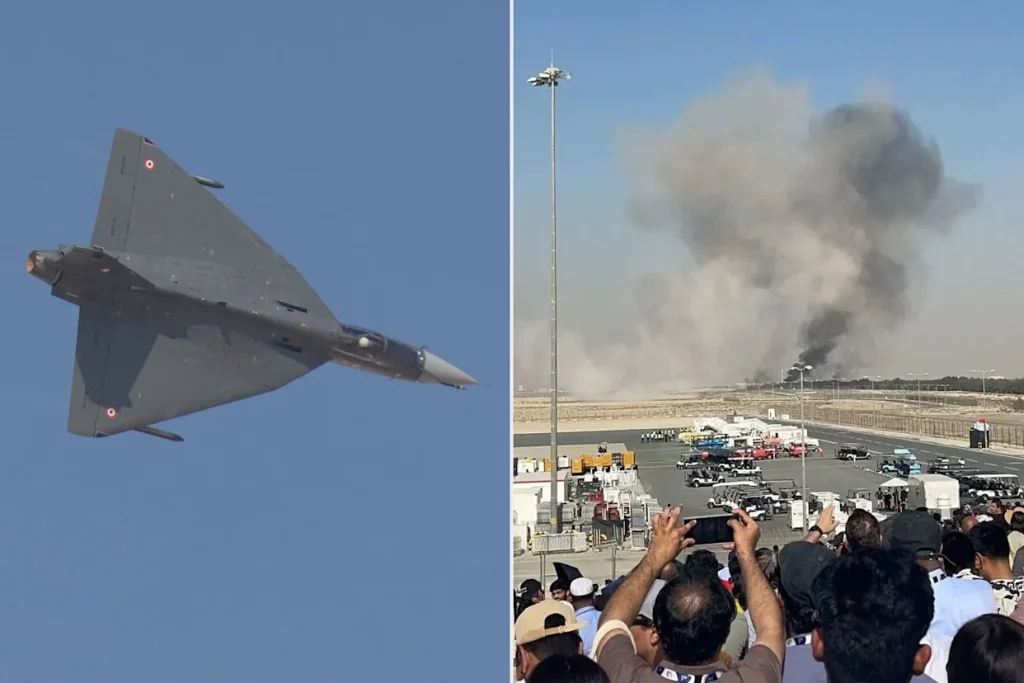
IAF Tejas Crash at Dubai Airshow: An Isolated Event or a Manifestation of Deep Systemic Issues?

Lord Kelvin, the legendary British mathematician and physicist, is famous for his contributions towards formulating laws of thermodynamics. Curiously, his scepticism about flight is clear when he said “Heavier-than-air flying machines are impossible” as the President of Royal Society (London) in 1895. He also stated that he had “not the smallest molecule of faith in aerial navigation other than ballooning”. Another infamous quote on the topic which is often wrongly attributed to him is “If God had meant man to fly, he would have given him wings.” However, despite all the doubt, the Wright brothers showed the world visibly the endless possibilities of flying in 1903.

other blogs

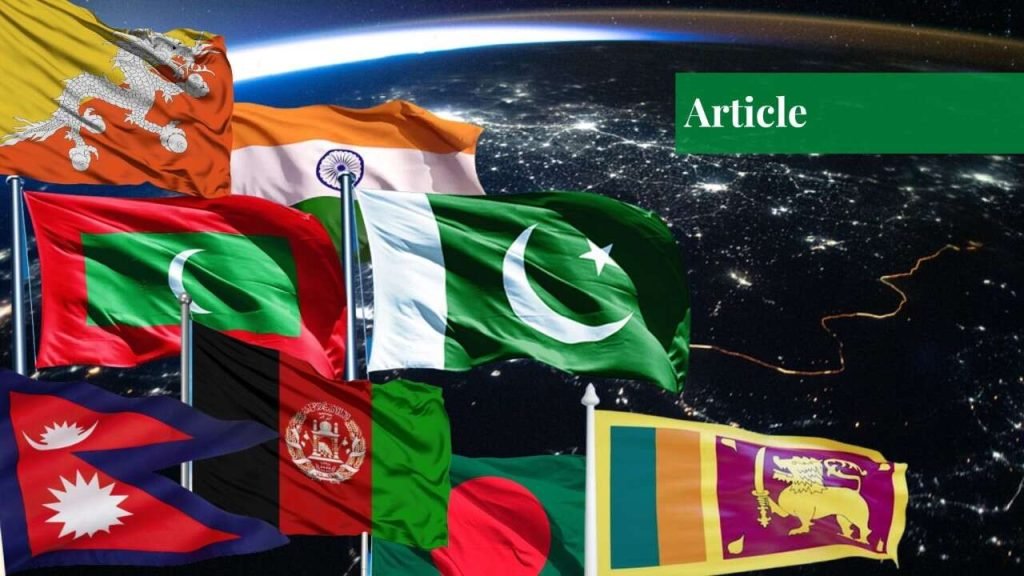
The Evolving Security Triangle in South Asia and it’s Impact on Regional Stability

The evolving security triangle between Pakistan, Afghanistan, and India is that the historical rivalries, unresolved territorial disputes, and competing geopolitical interests among these three states continuously fuel instability and insecurity in South Asia, creating a complex web of conflict that obstructs regional peace and integration. The complex nature of the conflict in the region, amalgamated by the cross-border militancy, proxy wars, insurgencies, and great power rivalries, makes this region volatile, the tensest security formation in the region. This article is developed to investigate how these overlapping disputes interact, and how the actions of one state change the behaviors and policies of the other states, and lastly, how enmity affects the prospects for peace and stability in the region.

other blogs

Defying Power: ZOHRAN Mamdani vs Trump, Zionist Influence and Mainstream Media 

Mamdani, a 34-year-old state assemblyman, who called himself a democratic socialist, defeated the 67-year-old disgraced governor of New York, Andrew Cuomo, in Tuesday’s mayoral election of NYC a city home to global capitalism. He is a Muslim immigrant, a strong voice against Zionism and Israel’s genocide in Gaza. Combined with these, he was probably the one with the slimmest chances to grab the chair at City Hall.

other blogs

The Internal Logic of External Wars: Domestic Drivers in Russia–Ukraine and India–Pakistan Relations

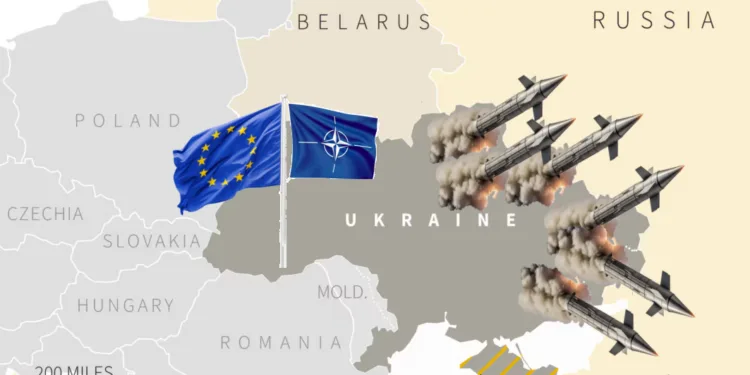
Conflicts between states are often explained through external determinants such as power politics, alliances, and geopolitics. Yet, an equally critical dimension lies within the internal determinants that shape a state’s behavior and drive it toward confrontation. These include political leadership, ideology, domestic legitimacy, economic pressures, institutional interests, and public opinion. The Russia–Ukraine and India–Pakistan conflicts demonstrate how domestic imperatives often push states into external wars that mirror internal struggles for identity, stability, and authority.

other blogs

Pakistan’s evolving policy toward the Afghan Taliban: balancing security, diplomacy and sovereignty

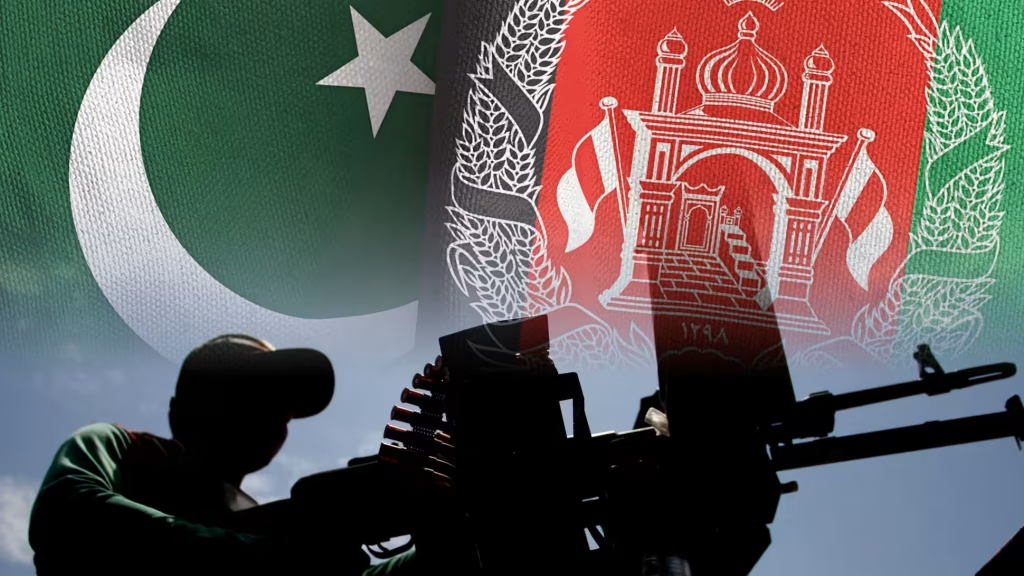
Since 2021, Pakistan had been hoping that the Taliban would stabilize Afghanistan by returning to power in Kabul and ensure that cross-border militancy that is spilling to Pakistan reduces. Repeated high-profile assaults (senior police and military officers) within Pakistan (Balochistan and KPK) by 2025 as a result of Tehreek-e-Taliban Pakistan (TTP) and other forces based on Afghan territory made Islamabad conscious of the fact that engagement did no longer suffice to counter the threat; and the understanding compelled Pakistan to expand its repertoires of denying the threat to include visible security operations.

other blogs

Contradictions Between Islam and Realpolitik: Understanding Pakistan–Afghanistan Relations

Pakistan and Afghanistan share a border, a people, and a century of tangled politics. Their relationship has been shaped by colonial legacies, competing security priorities, and chronic mistrust. Both states claim victimhood while pursuing policies that often reproduce the very instability they denounce. This article outlines those contradictions with evidence and offers an honest appraisal of why the cycle persists.

other blogs

Mutaqi’s Visit to Deoband: A Subtle Warning to Pakistan and the Shifting Boundaries of Deobandi Politics

The Deobandi school of Islam, born in nineteenth century British India, has long been more than a religious movement. It represents a deeply entrenched social and ideological network that has shaped politics across South Asia. In Pakistan, Deobandi thought became an instrument of state strategy, particularly during the Afghan jihad against the Soviet Union in the 1980s and later through support for the Afghan Taliban. The state saw in the Deobandi ideology both moral legitimacy and mobilization potential for its regional ambitions. Yet, in recent years, Pakistan’s narrative toward sections of the Deobandi movement has shifted from cooperation to confrontation. By labeling certain Deobandi jihadists as “Khawarij” or “Indian proxies,” the state has crossed an ideological boundary that once sustained its strategic depth. This shift risks alienating the Deobandi constituency, undermining religious legitimacy, and perpetuating instability.

Scroll to Top