
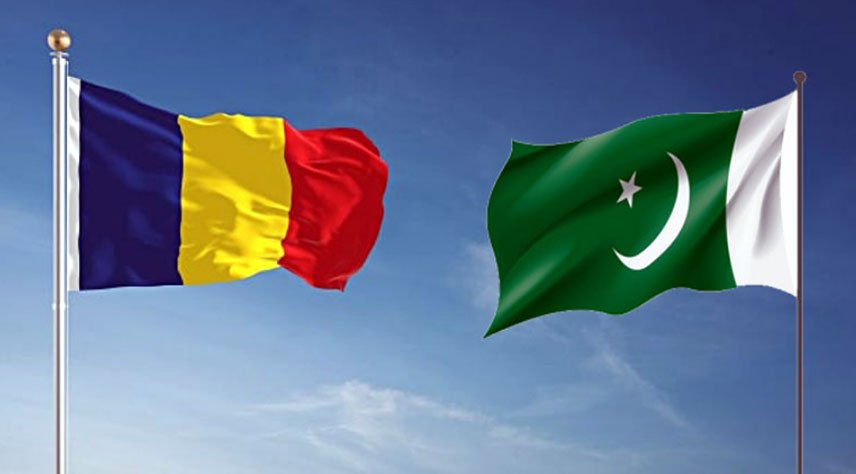
Romania and Pakistan are forging geo-economic synergies through trade growth, IT forums, and maritime links. This partnership unlocks potentials in energy, technology, and blue economy, delivering mutual benefits for policymakers, investors, academics, and the public in a globalized era.
Key Points
- Diplomatic Momentum: Romania-Pakistan IT Forum in November 2025 connected 100+ firms; maritime linkage discussions in November 2025 for European corridor; 61 years of ties celebrated with focus on trade and investment.
- Trade Surge: Bilateral trade reached $333 million in 2023, with Pakistan’s exports at $88 million in 2024; Romania eyes $500 million annual volume through joint ventures and simplified procedures.
- Investment Horizons: Explorations for deeper investments in IT, energy, and construction; potentials for €200 million in renewables and mining, leveraging GSP+ and SEZs.
- Sectoral Synergies: Complementary strengths in Romanian engineering/tech and Pakistani textiles/resources promise balanced growth in blue economy and digital sectors.
- Evergreen Foundations: Historical cooperation since 1964 in energy and construction; shared UN commitments underpin resilient partnerships.
- Future Projections: Trade could exceed $600 million by 2030 via JWGs and green initiatives, fostering jobs and innovation.
Romania and Pakistan stand at the threshold of a transformative partnership, blending Romania’s EU innovation and industrial expertise with Pakistan’s strategic location, youthful workforce, and resource wealth. For policymakers, this alliance offers frameworks to align Romania’s strengths in engineering and technology with Pakistan’s priorities in energy security and digital transformation, promoting policies on sustainable trade and investment. Investors will discover high-yield avenues in sectors like renewables and IT, while academics can delve into interdisciplinary analyses of North-South cooperation. The general public gains from job creation, cultural exchanges, and enhanced global connectivity.
Contemporary data highlights robust momentum. Bilateral trade totaled $333 million in 2023, with Romania exporting $245 million to Pakistan (wheat $103M, rapeseed $90.3M) and Pakistan exporting $88 million in 2024, up from previous years. This growth is fueled by Pakistan’s GSP+ status, granting duty-free EU market access since 2014, which has elevated textiles and agricultural products. Romania aims for $500 million annual trade, as stated by Ambassador Nicolae Goia, through joint ventures and simplified procedures discussed in November 2025 meetings with KCCI leadership.
To illustrate trade dynamics, consider the top products:
Direction | Top Products (2023-2024 Values in USD Millions) | Key Sectors |
Pakistan to Romania | House Linens (20+), Apparel (15+), Leather Goods (10+) | Textiles and Apparel |
Romania to Pakistan | Wheat (103), Rapeseed (90.3), Machinery (20+) | Agriculture and Machinery |
This table reveals rational synergies: Pakistan’s labor-intensive exports meet Romanian consumer demands, while Romanian agricultural and machinery shipments support Pakistan’s food security and industrialization. Growth rates affirm potential: Pakistan’s exports to Romania rose 46% in 2024, outpacing global averages.
Diplomatic relations since 1964 have fostered cooperation in engineering, energy, and construction, with Romanian experts contributing to Pakistan’s oil exploration. Shared UN commitments enhance trust, transcending economic cycles. Rational cooperative analysis shows untapped potentials: Romania’s tech prowess can uplift Pakistan’s IT sector, as showcased in the November 2025 Romania-Pakistan IT Forum, connecting over 100 firms for digital bridges.
Recent developments reinforce this promotional outlook. In November 2025, Maritime Minister Junaid Chaudhry and the Romanian envoy discussed linking Karachi Port with Constanta for a European trade corridor, boosting Pakistan’s blue economy and diversifying exports. President Zardari’s call for IT investments highlights Romania as a gateway for Pakistani talent ready for outsourcing. Discussions on energy and mining align with Romania’s EU green goals and Pakistan’s resources, potentially attracting €200 million in investments via SEZs with tax incentives.
For investors, SEZs offer fertile ground. Agriculture synergies shine: Romanian wheat exports can pair with Pakistani rice for value-added processing. Tourism, emphasized in 2025 talks, can link Alpine expertise with Himalayan sites, creating jobs and cultural ties.
A comparative economic overview underscores collaborative advantages:
Indicator | Romania (2025) | Pakistan (2025) | Cooperative Potential |
GDP Growth (%) | 2.0 | 3.5 | Joint IT/energy projects could add 1% via tech transfer |
Exports (% of GDP) | 35 | 11 | GSP+ boosts Pakistan’s EU exports |
FDI Inflows (USD Bn) | 10+ | 2.8 | Romanian investments in SEZs double inflows |
Key Strengths | Innovation, Agriculture | Textiles, Resources | Synergies in blue economy and digital services |
This data highlights Romania’s stability catalyzing Pakistan’s growth, addressing disparities through targeted pacts. Challenges like regulatory alignments are surmountable via ongoing consultations, ensuring mutual benefitted outcomes. Overall, this geo-economic axis fosters resilience, with projections of $600 million trade by 2030.
Conclusion
Romania and Pakistan’s geo-economic partnership epitomizes collaborative promise, merging Romanian expertise with Pakistani potential. Policymakers should advance maritime and IT pacts; investors, target renewables for lucrative yields; academics, study green models; and the public, gain from employment and exchanges. With 2024 trade at $333 million and 2025 forums like IT collaboration, this alliance drives innovation amid challenges. By expanding bonds, both nations can achieve resilient, inclusive prosperity, exemplifying EU-Asia cooperation.
* Dr. Muhammad Jahanzaib is the Founder & Chief Visionary Officer (CVO) of Diamanium Thinkers, a global think tank. He holds a PhD in International Relations, specializing in the intersection of geo-politics and geo-economics in Pakistan’s foreign and domestic policy. A double gold medalist and published scholar, he writes on economic intelligence, economic diplomacy, political economy, AI and regional cooperation in South Asia and beyond. He can be reached at jahanzaibdgc@gmail.com.
Key References
- Pakistan eyes European trade corridor via Romania to boost blue … – https://www.arabnews.com/node/2621357/pakistan
- Pakistan, Romania explore deeper trade and investment partnership – https://profit.pakistantoday.com.pk/2025/11/02/pakistan-romania-explore-deeper-trade-and-investment-partnership/
- Romania–Pakistan IT Forum 2025, Exploring Synergies & Building … – https://twa.com.pk/romania-pakistan-it-forum-2025-exploring-synergies-building-bridges-between-the-it-sectors-of-romania-and-pakistan/
- Romania marks national day, 61 years ties with Pakistan … – https://www.app.com.pk/national/romania-marks-national-day-61-years-ties-with-pakistan-highlighting-expanding-cooperation/
- Pakistan (PAK) and Romania (ROU) Trade – https://oec.world/en/profile/bilateral-country/pak/partner/rou
- Romania (ROU) and Pakistan (PAK) Trade – https://oec.world/en/profile/bilateral-country/rou/partner/pak
- Pakistan Exports to Romania – 2025 Data 2026 Forecast 2009-2024 … – https://tradingeconomics.com/pakistan/exports/romania
- Romania Imports from Pakistan – 2025 Data 2026 Forecast 1989 … – https://tradingeconomics.com/romania/imports/pakistan
- Country comparison Romania vs Pakistan 2025 – https://countryeconomy.com/countries/compare/romania/pakistan
- Pakistan–Romania Diplomatic Relations: A Growing Partnership … – https://twa.com.pk/pakistan-romania-diplomatic-relations-a-growing-partnership-since-1964/